Lancets: Buying Guide & Comparison
Understanding Lancets and Blood Testing
Lancets are the small, sterile needles used in combination with a lancing device to obtain a blood sample for glucose monitoring. While they may seem like simple tools, the design and thickness of the needle significantly impact the comfort of your daily testing routine. Choosing the correct lancet involves balancing needle thinness with the amount of blood required for your specific glucose meter.
How to Choose the Right Lancet
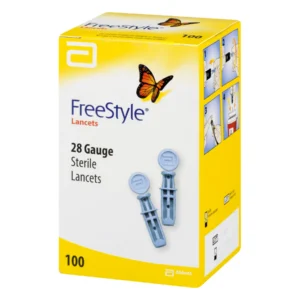
- Gauge Size: The gauge refers to the thickness of the needle. A higher number indicates a thinner needle. For example, a 33G lancet is much thinner than a 28G lancet.
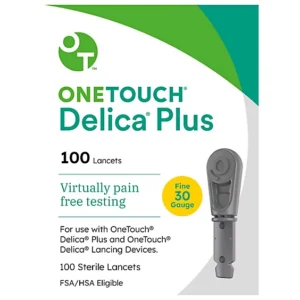
- Compatibility: Most lancets are universal and fit standard lancing devices. However, some brands like Accu-Chek and OneTouch use proprietary designs that only work with their specific devices.
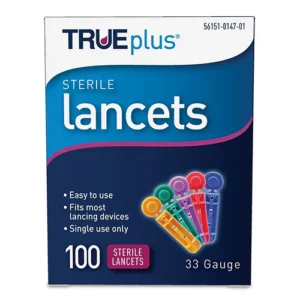
- Sterility and Packaging: Always ensure you are buying sterile, single-use needles. Some products offer multicolor options to help you keep track of your testing schedule.
When shopping for lancets, consider these three primary factors to ensure a pain-free and efficient testing experience:
Best Lancets for Specific Needs
Different users have different priorities, from skin sensitivity to budget considerations.
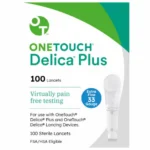
Best for Sensitive Skin: The 33G needle is one of the thinnest available, designed specifically to reduce pain during the lancing process.
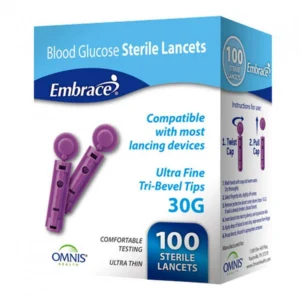
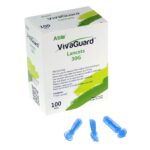
Best Budget Value: These universal lancets provide a reliable 30G thickness at a very low price point per box.
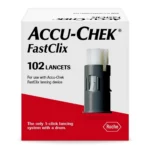
Best for Convenience: Uses a unique drum system that houses six lancets at once, eliminating the need to handle individual needles.
Key Attributes: Gauge and Compatibility
The most important spec to watch is the Gauge (G). If you have calloused skin or need a larger blood drop, a 28G needle like the TRUEplus 28G Lancet may be more effective. If you prefer the least amount of sensation, look for 30G to 33G options. Regarding compatibility, always check if your device requires a specific shape. For example, the Microlet Multicolor Lancets are designed for Microlet devices but often fit other universal lancing tools.
Frequently Asked Questions
What does the gauge number mean on a lancet?
The gauge represents the thickness of the needle. The higher the number, the thinner the needle. A 33G lancet is thinner and typically less painful than a 28G or 30G lancet.
Can I reuse a lancet?
No. Lancets are designed for single use only. Reusing a lancet dulls the tip, making testing more painful, and increases the risk of infection or skin irritation.
Are all lancets universal?
Many lancets are universal and fit most standard lancing devices. However, brands like Accu-Chek and OneTouch often require proprietary lancets designed for their specific lancing devices.
How should I dispose of used lancets?
Used lancets should be placed in a puncture-proof container immediately after use. A dedicated sharps container is the safest way to dispose of medical needles.