Glucose Meters: Buying Guide
Reliable Blood Glucose Monitoring
A blood glucose meter is the primary tool for monitoring blood sugar levels throughout the day. Choosing the right device involves balancing accuracy, portability, and ease of use. Whether you are looking for a simple interface or advanced data tracking features, the glucose meters available today offer a wide range of options to fit your lifestyle. Many modern systems also integrate with smartphone apps to help you visualize trends over time.
How to Choose a Glucose Meter
- Coding requirements: No-coding meters reduce the risk of errors by automatically calibrating for each batch of test strips.
- Sample size: Look for meters that require smaller blood samples, which can make the testing process more comfortable.
- Testing speed: Most modern meters provide results within five seconds.
- Memory and data storage: Consider how many past readings the meter can store and if it offers data averaging.
- Display and size: Ensure the screen is easy to read and the device size fits your needs for home or travel use.
- Compatibility: Verify that the meter works with your preferred brand of test strips and control solutions.
When evaluating different models, consider these essential factors to ensure the device meets your specific testing requirements:
Key Performance Attributes
Accuracy is the most critical attribute for any glucose monitoring system. Manufacturers provide control solutions to verify that the meter and test strips are working correctly together. Additionally, ease of use is often determined by the lancing process. Using high quality lancing devices and sharp lancets can significantly improve the testing experience. Many users also prefer meters that offer talking features or large, backlit displays for better visibility in low light conditions.
Best For: Top Recommendations
Based on specific user needs and product features, here are our top picks for various categories:
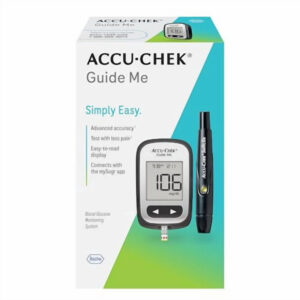
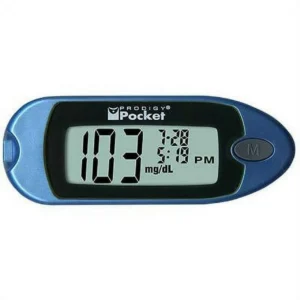
Best for Travel: This compact system is designed for portability, making it ideal for users who need to test frequently while on the move.
Best for Ease of Use: Features a simple, color-coded indicator that instantly tells you if your readings are in range, high, or low.
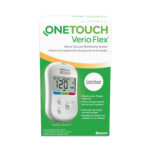
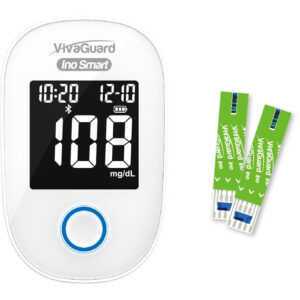
Best Value Meter: An affordable and reliable option that provides accurate results without the need for complex setup.
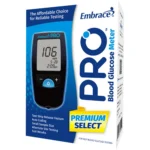
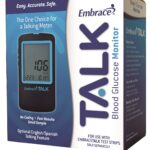
Best for Visual Assistance: Includes a talking feature that guides the user through the testing process and reads results aloud.
Frequently Asked Questions
What is ‘No Coding’ in glucose meters?
No-coding technology means the meter automatically recognizes the code on the test strip vial. This eliminates the need for manual input, which reduces the risk of inaccurate results due to coding errors.
How often should I use control solution?
You should use control solution when you open a new box of test strips, if you drop your meter, or if you suspect your results are inaccurate. It ensures the system is performing within the manufacturer’s specifications.
Can I use any test strip with my meter?
No. Glucose meters are designed to work only with specific brands and models of test strips. For example, a OneTouch Verio meter requires OneTouch Verio test strips.
Does the sample size matter?
Yes. Meters that require a smaller blood sample (measured in microliters) generally allow for shallower lancing, which can make the daily testing routine less painful for the user.