What Does Gauge Mean? A Complete Guide
Understanding the Basics of Needle Gauge
When you browse for medical supplies like insulin syringes or pen needles, you will notice a number followed by the letter G. This stands for gauge. In the medical field, gauge refers to the thickness or diameter of the needle. Unlike many other measurement systems, needle gauge works on an inverse scale. This means that as the gauge number increases, the actual thickness of the needle decreases. A 31G needle is significantly thinner than an 18G needle. Understanding this relationship is the first step toward choosing the right supplies for your health needs.
The Inverse Relationship Explained
The reason the gauge system seems backward is due to its historical origins in wire manufacturing. The gauge number originally represented the number of times a wire had to be drawn through a sizing die to reach its final diameter. More draws resulted in a thinner wire and a higher number. Today, this translates to a simple rule for patients: higher numbers mean a smaller, thinner needle. For example, a 30G needle is much finer than a 25G needle. This distinction is vital because the thickness of the needle directly impacts both the physical sensation of the injection and the speed at which fluid can pass through the needle.
Why Gauge Matters for Comfort and Flow
Choosing the right gauge involves balancing two primary factors: comfort and flow rate. Thinner needles, such as those found in lancets or ultra fine syringes, generally cause less discomfort because they create a smaller puncture in the skin. However, because the internal diameter is smaller, it takes more pressure to push medication through the needle. Conversely, thicker needles allow for a faster flow rate, which is necessary for thicker, more viscous medications. If you are using a very thin needle for a thick medication, you might find the injection difficult to perform or the needle may even become clogged.
Common Gauges by Product Category
- Standard Hypodermic Needles: Typically range from 16G to 25G. These are used for drawing blood or injecting medications into muscles.
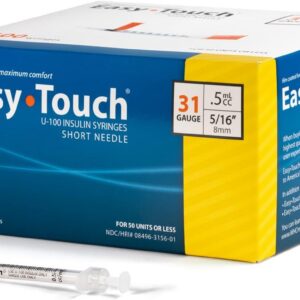
- Insulin Syringes: Usually range from 28G to 31G. Since insulin is a thin liquid and injected into fatty tissue, a thinner needle is preferred for comfort.
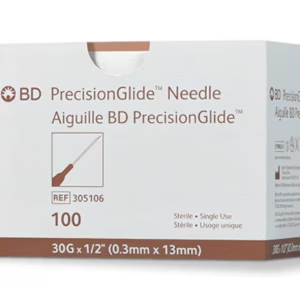
- Pen Needles: Often the thinnest options available, reaching up to 32G. These are designed for frequent, nearly painless injections.
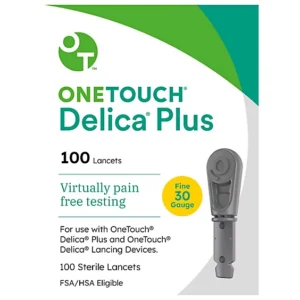
- Lancets: Used for blood glucose testing, these often range from 28G to 33G to minimize skin trauma.
Different medical tasks require different needle thicknesses. Here is a breakdown of how gauges are typically used across various product categories:
Recommended Products for Different Needs
Depending on your specific requirements, you may need a thicker needle for preparation or a thinner one for daily comfort. Here are some top choices based on gauge size.
Best for Maximum Comfort: At 33G, these are among the thinnest lancets available, making them ideal for those with sensitive skin.
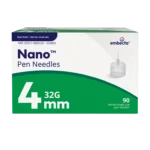
Best for Daily Insulin Use: The 32G thickness provides an extremely comfortable injection experience for regular insulin delivery.
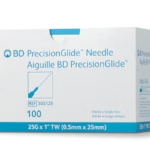
Best for General Medical Use: A 25G needle is a versatile mid-range thickness suitable for many different types of injections.
How to Choose the Right Gauge
Selecting the correct gauge should always be done in consultation with a healthcare professional. They will consider the viscosity of your medication, the depth of the injection site, and your personal comfort level. If you find that your current injections are painful, you might ask about switching to a higher gauge number. If the injection takes too long or requires too much force, a lower gauge number might be more appropriate. Always ensure you are using a fresh needle for every injection to maintain sharpness and sterility. To dispose of your used needles safely, always use a dedicated sharps container.
Frequently Asked Questions
Is a 31G needle thinner than a 29G needle?
Yes. In the gauge system, the higher the number, the thinner the needle. Therefore, a 31G needle has a smaller diameter than a 29G needle.
Does a higher gauge always mean less pain?
Generally, yes. Thinner needles (higher gauge) tend to be more comfortable. However, the technique of the injection and the sharpness of the needle also play significant roles in comfort.
What gauge is best for insulin?
Most insulin users prefer gauges between 30G and 32G. These thin needles are designed to make frequent daily injections as painless as possible.
Can I use a thin needle for thick medications?
It is difficult. Viscous or thick medications require a wider opening (lower gauge number) to allow the fluid to flow through the needle efficiently.