Needle Length: A Complete Guide
Understanding Needle Length
When shopping for medical supplies, you will often see a variety of measurements on the packaging. While the gauge refers to the thickness of the needle, the length refers to how far the needle extends from the hub to the tip. Choosing the correct length is essential for ensuring that medication is delivered to the right part of the body. For most individuals using insulin syringes, the goal is a subcutaneous injection, which means the medication should be delivered into the fatty tissue just below the skin but above the muscle layer. If a needle is too short, the medication might not be absorbed correctly; if it is too long, it may reach the muscle, which can be painful and affect how quickly the medication works.
Common Length Measurements
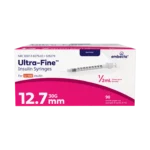
- 1/2 inch (12.7mm): A traditional length often used for individuals with higher body mass to ensure the medication reaches subcutaneous fat.
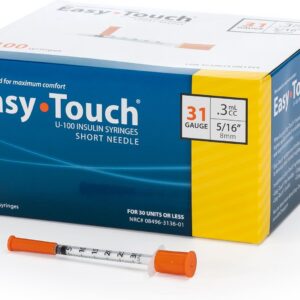
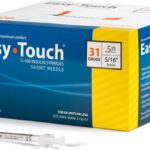
- 5/16 inch (8mm): A very common mid-range length that balances comfort with reliable delivery for a wide range of body types.
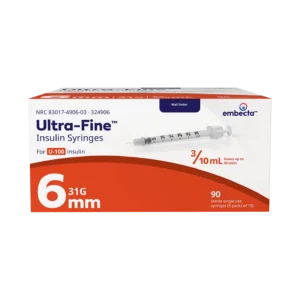
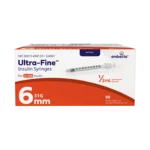
- 15/64 inch (6mm): A shorter option designed to minimize the risk of intramuscular injection, often preferred for its comfort.
Needle length is typically measured in either inches or millimeters. In the United States, inches are common for standard syringes, while millimeters are frequently used for shorter, more modern needles. Here are the most common lengths you will encounter:
How to Choose the Right Length
Selecting the right length depends on several factors, including your body type, the injection site, and the advice of your healthcare provider. Generally, shorter needles are associated with less pain and a lower risk of accidentally hitting muscle tissue. However, for some patients, a slightly longer needle may be necessary to ensure the needle fully penetrates the skin layer. It is always best to consult with a professional before switching lengths.
Best for Traditional Depth: The 1/2 inch length is a classic choice for those who prefer a deeper subcutaneous injection.
Best for General Comfort: The 5/16 inch length is widely considered the standard for modern insulin delivery, offering a balance of comfort and efficacy.
Best Short Needle Option: At approximately 15/64 of an inch, the 6mm needle is designed to provide a shallow, comfortable injection experience.
Why Length Matters for Safety
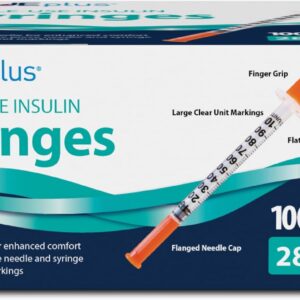
Using a needle that is too long for your specific body composition increases the chance of an intramuscular injection. Injecting into muscle can lead to faster absorption of medication than intended, which may cause unexpected drops in blood sugar levels. Conversely, using a needle that is too short may result in an intradermal injection, where the medication stays within the skin layers rather than reaching the fatty tissue. This can lead to localized irritation or poor absorption. Brands like TRUEplus and EasyTouch offer various lengths to help users find the perfect fit for their needs.
Comparison of Popular Insulin Syringe Lengths
To help you visualize the differences, consider that a 1/2 inch needle is more than twice as long as a 6mm needle. While this may seem like a small difference, it can significantly impact the user experience. Many users find that moving from a 1/2 inch needle to a 5/16 inch needle reduces anxiety and improves injection site rotation. For high-quality options across all these lengths, you can explore the full range of insulin syringes available in our shop.
Frequently Asked Questions
Is a shorter needle less painful?
Generally, yes. Most clinical studies and patient reports suggest that shorter needles, such as 6mm or 8mm, are more comfortable than the traditional 12.7mm (1/2 inch) needles because they are less likely to reach nerve endings in the muscle.
Can I use the same length for all injection sites?
While many people use the same needle length for the abdomen, thighs, and arms, the thickness of the subcutaneous fat layer varies across the body. You should discuss with your doctor if you need different lengths for different sites.
What is the most common needle length for insulin?
Currently, the 8mm (5/16 inch) and 6mm (15/64 inch) lengths are the most frequently recommended for adult patients, as they provide reliable delivery with minimal discomfort.
Does length affect the price of the syringe?
Usually, the length of the needle does not significantly impact the price. Most brands offer their various length options at similar price points for the same box count.