Microlet vs Accu-Chek Lancets: Comparison
Microlet vs Accu-Chek: Choosing the Right Lancet
For individuals managing diabetes, blood glucose testing is a daily necessity. The comfort and ease of that process depend heavily on the lancets and lancing devices you choose. Two of the most prominent names in the industry are Microlet, produced by Ascensia, and Accu-Chek, produced by Roche. While both brands aim to minimize pain and maximize reliability, they utilize very different technologies and design philosophies. This comparison explores the nuances of each brand to help you determine which system fits your lifestyle and comfort preferences.
Microlet Lancets: Simplicity and Color Coding
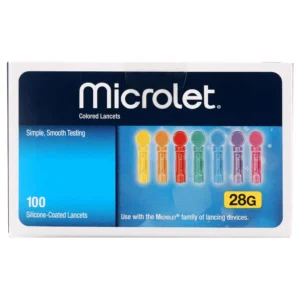
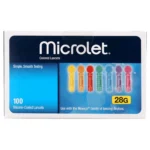
Microlet lancets are widely recognized for their straightforward design and unique multicolor approach. The Microlet Multicolor Lancets, 28G are standard individual lancets that fit into Microlet lancing devices. One of the primary advantages of this brand is the silicone coating on the needle, which is designed to reduce friction during the puncture process, leading to a smoother entry and exit from the skin. The color coding is not just for aesthetics; many users use the different colors as a visual reminder to change the lancet after every single test, which is a critical practice for maintaining hygiene and preventing dull needles from causing unnecessary pain.
Accu-Chek Lancets: Engineering for Comfort
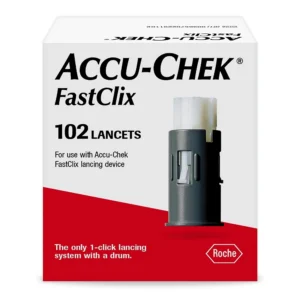
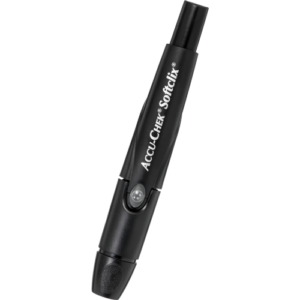
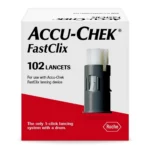
Accu-Chek takes a more high-tech approach to lancing, particularly with their drum based systems. The Accu-Chek FastClix Lancets are unique because they do not require the user to handle individual needles. Instead, six lancets are contained within a pre-loaded drum. This design significantly reduces the risk of accidental needle sticks and makes the testing process much faster. For those who prefer a more traditional lancing experience but still want the precision of Roche engineering, the Accu-Chek Softclix Lancing Device is a popular alternative that uses individual lancets designed with a tapered 3-facet cut to minimize skin tearing.
Comparison Table: Features at a Glance
- Needle Design: Microlet uses silicone-coated needles; Accu-Chek uses 3-facet tapered cuts.
- System Type: Microlet focuses on individual lancets; Accu-Chek offers both individual and drum-based systems.
- Gauge Size: Microlet standard is 28G; Accu-Chek varies by device but emphasizes high-speed precision.
- Safety: Accu-Chek FastClix drums hide the needle entirely; Microlet requires manual handling of the lancet cap.
- Compatibility: Most Microlet lancets are designed for Microlet devices; Accu-Chek lancets are proprietary to their specific lancing devices.
When deciding between these two leaders, consider how their technical specifications align with your testing habits. Below is a breakdown of the key differences between the standard Microlet and Accu-Chek offerings.
Gauge and Comfort: Finding the Sweet Spot
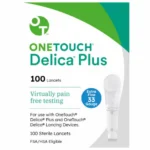
In the world of lancets, the gauge (G) refers to the thickness of the needle. A higher gauge number indicates a thinner needle. Microlet’s standard 28G is effective for most users, but those with sensitive skin might look for even thinner options. While Accu-Chek focuses on the mechanics of the lancing stroke to reduce pain, other brands like OneTouch offer extremely thin options such as the OneTouch Delica Plus Lancets, 33G. If you find that the 28G Microlet or the Accu-Chek systems are still too painful, transitioning to a higher gauge lancet may provide the relief you need.
Value and Cost Comparison
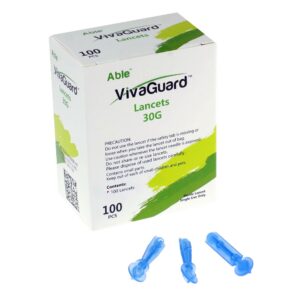
Cost is a significant factor for many users, especially since lancets should be used only once. Accu-Chek FastClix lancets are a premium option, reflecting the convenience of the drum system. Microlet lancets offer a middle ground in terms of pricing. For users looking for the absolute best value without sacrificing quality, universal-style lancets from brands like VivaGuard or TRUEplus are often the most budget-friendly choices. These brands provide sterile, high-quality needles that are often compatible with various generic lancing devices at a fraction of the cost of the major brand names.
Best Brand for Your Needs
Depending on your priorities, one brand may stand out over the other.
Best for Convenience: The drum system eliminates the need to handle individual needles, making it perfect for testing on the go.
Best for Visual Reminders: The multicolor design helps users track their lancet changes and adds a bit of variety to a routine task.
Best for Sensitive Skin: At 33G, these are significantly thinner than standard 28G lancets, providing a more comfortable experience for sensitive fingers.
Frequently Asked Questions
Can I use Microlet lancets in an Accu-Chek lancing device?
Generally, no. Accu-Chek lancing devices, especially the FastClix and Softclix models, are designed to work only with their specific proprietary lancets. Microlet lancets are designed for use with Microlet brand devices.
What is the benefit of a silicone-coated lancet?
Silicone coating, found on Microlet lancets, acts as a lubricant. This helps the needle glide into the skin with less resistance, which can reduce the stinging sensation during the puncture.
Are drum lancets safer than individual lancets?
Yes, drum systems like the Accu-Chek FastClix are considered safer because the needles are never exposed during loading or disposal. This virtually eliminates the risk of accidental needle sticks.
Should I choose 28G or 30G lancets?
If you have calloused skin or need a larger blood drop, 28G is usually better. If you have thin or sensitive skin, a 30G or higher lancet will likely be more comfortable.