How to Choose the Right Lancets
Understanding Lancet Basics
For anyone managing diabetes, blood glucose testing is a frequent necessity. The lancet, a small needle used to obtain a blood sample, plays a critical role in this process. While it may seem like a simple tool, choosing the right lancet can make the difference between a painful prick and a nearly painless experience. Most users look for a balance between getting an adequate blood volume for their test strips and minimizing skin trauma. When browsing the lancets category, you will find various sizes and brands designed to work with specific devices or universal systems.
Key Factors: Gauge and Thickness
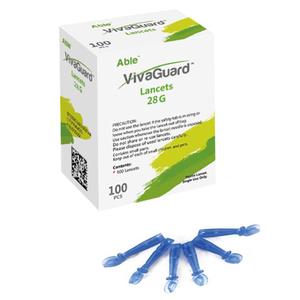
- 28G Lancets: These are standard thickness needles. They are reliable for users who need a larger drop of blood or have thicker skin.
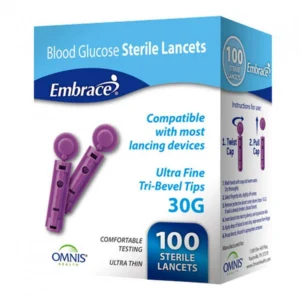
- 30G Lancets: Often labeled as fine or ultra-fine, these offer a balance of comfort and utility for the average user.
- 33G Lancets: These are the thinnest needles available. They are ideal for users with sensitive skin or children, though they require a precise lancing technique.
The most important technical specification for a lancet is the gauge (G). The gauge refers to the thickness of the needle. It is important to remember that the higher the gauge number, the thinner the needle. Thinner needles generally cause less pain but may struggle to produce enough blood if your skin is calloused or thick.
Compatibility with Lancing Devices
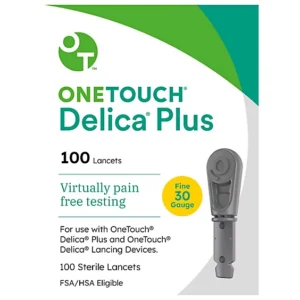
Before purchasing, you must determine if your lancing device requires a proprietary lancet or if it accepts universal styles. Many standard devices, like the TRUEdraw Lancing Device or the Embrace Lancing Device, are compatible with universal twist-top lancets. However, some brands use specialized designs. For example, the Accu-Chek FastClix system uses a drum of lancets rather than individual needles, which enhances safety and convenience but limits your choice to that specific brand.
Lancet Comparison and Decision Matrix
To help you decide which product fits your lifestyle, consider this comparison of common options based on gauge and intended use. If you prioritize comfort, aim for a 30G or 33G needle. If you are looking for the most economical option for frequent testing, universal 28G or 30G lancets from value brands are often the best choice. Always ensure you have a proper sharps container for safe disposal after every use.
Top Recommended Lancets
Based on price, comfort, and compatibility, here are our top picks from the current inventory.
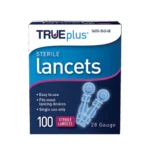
Best Value for Daily Use: These offer an incredibly low price per count while providing a fine 30G needle for a comfortable testing experience.
Best for Sensitive Skin: The 33G thickness is among the thinnest on the market, designed specifically to reduce pain for those who test frequently.
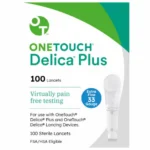
Best for Convenience: The drum-based system means no handling of individual needles, making it the safest and most convenient option for on-the-go testing.
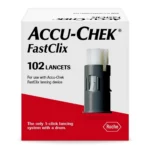
Best Universal Standard: A reliable, standard-gauge universal lancet that fits most lancing devices and provides a consistent blood sample.
Steps for a Painless Prick
- Wash your hands with warm water to increase blood flow before testing.
- Use alcohol prep pads to clean the site and let it dry completely.
- Lance the side of your fingertip rather than the pad, as there are fewer nerve endings there.
- Rotate your testing sites daily to prevent calluses and skin irritation.
- Never reuse a lancet; the tip dulls after one use, which significantly increases pain.
Even with the right lancet, your technique matters. Follow these steps to improve comfort:
Frequently Asked Questions
Can I reuse my lancets?
It is strongly recommended to use a new lancet for every test. Reusing lancets leads to needle dulling and microscopic barbs, which cause more pain and increase the risk of infection.
What does the gauge number mean?
The gauge (G) refers to the thickness of the needle. A higher number like 33G indicates a thinner needle, while a lower number like 28G indicates a thicker needle.
How do I know if a lancet will fit my device?
Check if your device is ‘universal’. Most universal devices accept twist-top lancets. Proprietary devices like the OneTouch Delica or Accu-Chek FastClix require brand-specific lancets.
Where should I dispose of used lancets?
Used lancets should always be placed in a puncture-resistant sharps container to prevent accidental needle sticks for yourself and waste management workers.