How to Choose the Right Test Strips
The Importance of Strip Compatibility
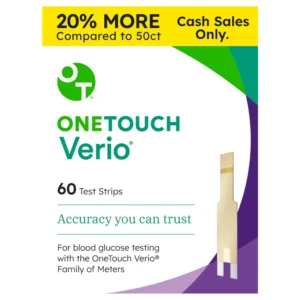
The most critical factor in choosing test strips is ensuring they are compatible with your specific blood glucose meter. Manufacturers design meters to work with proprietary strip technologies. Using the wrong brand or even a different model from the same brand will result in error messages or inaccurate readings. For example, if you use a OneTouch Verio Flex meter, you must use OneTouch Verio Test Strips. Always verify the model name on your meter before purchasing a new box of supplies.
Key Decision Factors for Test Strips
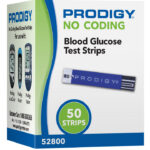
- Coding vs. No-Coding: Older meters required manual entry of a code for every new vial of strips. Modern systems like the PRODIGY No Coding Blood Glucose Test Strips are calibrated automatically, reducing the risk of user error.
- Sample Size: Some strips require more blood than others. If you prefer a smaller sample, look for strips designed for ‘sip-in’ technology that require minimal microliters.
- Ease of Handling: Larger strips or those with textured grips can be easier for individuals with dexterity issues or neuropathy.
- Cost per Test: Prices vary significantly between premium brands and value-focused options. Calculating the cost per strip helps in long-term budgeting.
When evaluating which system to use for your daily monitoring, consider these practical elements:
Premium vs. Value Brands
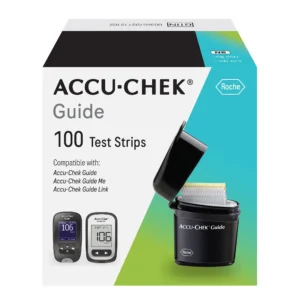
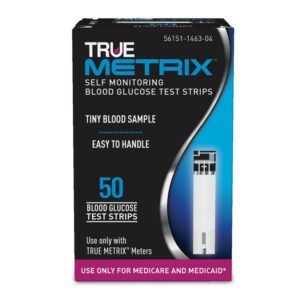
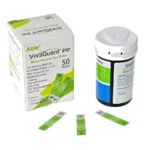
There is often a choice between high-end clinical brands and affordable alternatives. Premium brands like Accu-Chek Guide and FreeStyle Lite are known for advanced features like spill-resistant vials and lighting. On the other hand, value brands such as TRUE METRIX and VivaGuard Ino offer high accuracy at a much lower price point per count, making them excellent choices for those paying out of pocket.
Top Recommendations by Need
Depending on your priorities, certain strips may be better suited for your lifestyle.
Best for Accuracy and Ease: Features a spill-resistant SmartPack vial and a wide dosing area for easier application.
Best Budget Value: Highly affordable for frequent testing without sacrificing reliable results.
Best for No-Coding: Simplifies the testing process by removing the need for manual calibration codes.
Verifying Strip Accuracy
Regardless of the brand you choose, it is important to periodically verify that your strips and meter are working correctly. This is done using control solutions. You should perform a control test when you open a new vial of strips, if you drop your meter, or if your results seem unusually high or low. For instance, users of the TRUE METRIX system should use TRUE METRIX Level 2 Control Solution to ensure the system is within the manufacturer’s specified range.
Frequently Asked Questions
Can I use OneTouch strips in an Accu-Chek meter?
No. Test strips are not interchangeable between different brands or different meter models. Always use the specific strip designed for your meter.
How do I know if my test strips are expired?
The expiration date is printed on the side of every vial. Using expired strips can lead to inaccurate readings. Always discard strips past their use-by date.
Why does my meter require a code for new strips?
Some older meters require a code to calibrate the device to the specific batch of strips. Most modern meters are ‘No Coding’ and handle this automatically.
How should I store my test strips?
Keep them in their original vial with the cap tightly closed. Store them in a cool, dry place away from direct sunlight and extreme temperatures.