Choosing the Right Lancing Device
The Importance of the Right Lancing Device
For individuals managing diabetes, blood glucose testing is a daily necessity. The quality of your experience often depends on the tools you use, particularly the lancing device. A high quality device can mean the difference between a painful chore and a quick, nearly painless routine. When you choose a device that fits your skin type and lifestyle, you are more likely to stay consistent with your testing schedule. This guide will help you understand the technical features of various lancing devices and how they interact with different lancets to provide the best possible experience.
Key Factors to Consider
- Adjustable Depth Settings: Skin thickness varies from person to person. Look for devices with multiple depth levels to find the shallowest setting that still produces an adequate blood sample.
- Lancet Compatibility: Some devices use universal lancets, while others require proprietary needles. Ensure you are comfortable with the cost and availability of the matching lancets.
- Ease of Use: Consider the ergonomics of the device. Is it easy to prime and fire? Does it have a clear indicator that it is ready for use?
- Safety Features: Modern devices often include lancet ejectors, which allow you to remove the used needle without touching it directly, reducing the risk of accidental needle sticks.
Before purchasing a new device, evaluate these four critical areas to ensure it meets your specific needs:
Understanding Compatibility and Lancet Types
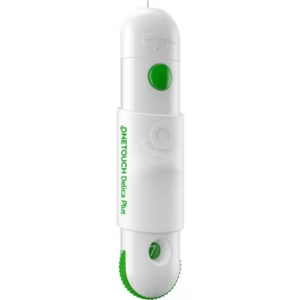
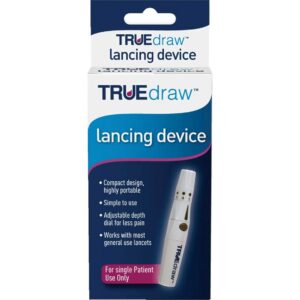
One of the most important decisions is whether to use a universal or proprietary system. Universal devices, such as the TRUEdraw Lancing Device, are designed to work with most standard lancets available on the market. This offers flexibility and often lower long term costs. On the other hand, proprietary systems like the OneTouch Delica Plus Lancing Device are engineered to work specifically with their own brand of lancets. While these may be more expensive, they often feature advanced vibration control and thinner needles, such as 30G or 33G options, which can significantly reduce discomfort during the puncture.
Comfort and Pain Management
Pain is often the primary reason people avoid testing. Advanced devices focus on minimizing the side to side motion of the needle. For example, the Accu-Chek Softclix Lancing Device uses precision guided technology to ensure the lancet enters the skin smoothly and retracts instantly. This high speed entry and exit prevents the tearing of skin tissue. Additionally, always remember to use a fresh lancet for every test. Reusing needles can cause them to become dull and barbed, leading to more painful sticks and slower healing. For safe disposal of your used needles, always keep a sharps container nearby.
Comparison of Popular Lancing Devices
- OneTouch Delica Plus: Features 13 depth settings and is optimized for use with extra fine 33G lancets.
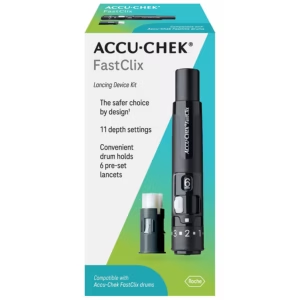
- Accu-Chek FastClix: Uses a unique drum system containing six pre loaded lancets, eliminating the need to handle individual needles.
- VivaGuard Lancing Device: An extremely affordable option that includes a lancet ejector for improved safety.
- Embrace Lancing Device: A reliable mid range choice that balances cost with essential features like depth adjustment and an ejector.
To help you compare, here is a look at how different models stack up based on their primary features:
Top Lancing Device Recommendations
Based on current availability and user feedback, here are our top picks for different testing needs.
Best for Maximum Comfort: This device is specifically designed to reduce vibration and works with very thin lancets to provide a gentler testing experience.
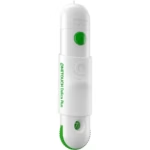
Best for Convenience: The integrated drum system makes it the easiest device for testing on the go, as you do not have to carry or load individual lancets.
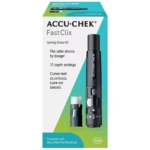
Best Budget Option: This is a highly cost effective choice that still provides essential safety features like a built in lancet ejector.
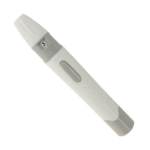
Maintaining Your Device
Regular maintenance ensures your device continues to function correctly. Wipe the exterior of the device with alcohol prep pads regularly to keep it clean. Never share your lancing device with others, even if the lancet is changed, as this can lead to the transmission of bloodborne pathogens. If you notice the firing mechanism becoming sluggish or the depth settings slipping, it may be time to replace the unit. Most devices are designed to last for several years with proper care.
Frequently Asked Questions
Can I use any lancet with my lancing device?
It depends on the device. Universal lancing devices work with most standard lancets. However, brands like OneTouch and Accu-Chek often require specific, proprietary lancets designed for their unique firing mechanisms.
How often should I replace my lancing device?
Most manufacturers recommend replacing the device every 1 to 2 years, or sooner if the spring mechanism weakens or the depth adjustment dial becomes loose.
What is the best depth setting for testing?
You should start with the lowest (shallowest) setting. If you cannot get enough blood for your glucose meter, increase the depth by one notch at a time until you achieve a consistent sample with minimal pain.
Is it safe to reuse a lancet?
No. Lancets are designed for single use. Reusing them increases the risk of infection and makes the needle dull, which causes more pain and skin damage during subsequent tests.