Choosing the Right Glucose Meter: Guide
The Importance of Selecting the Right Meter
For anyone managing diabetes, a blood glucose meter is more than just a medical device; it is a daily companion. The right monitor provides the data needed to make informed decisions about diet, exercise, and medication. While all modern meters meet strict accuracy standards, the differences in features, size, and cost can significantly impact your testing routine. Choosing a device that fits your lifestyle ensures that you stay consistent with your monitoring, which is the cornerstone of long term health. This guide explores the practical factors you should evaluate before making a purchase from our glucose meters collection.
Key Factors to Consider
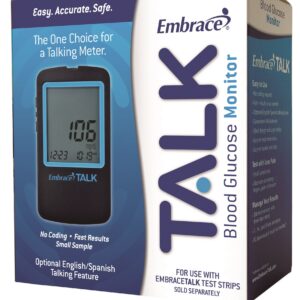
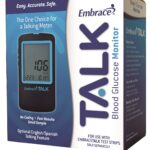
- Coding vs. No-Coding: Older meters required users to manually enter a code from the test strip vial. Modern ‘No-Coding’ devices like the Embrace TALK remove this step, reducing the chance of user error.
- Sample Size: Different meters require different amounts of blood. If you prefer less painful testing, look for meters that require a small sample size, typically measured in microliters.
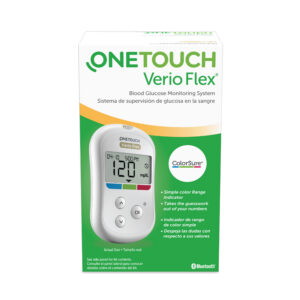
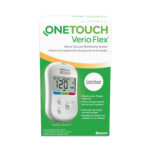
- Data Management: Many users benefit from meters that store hundreds of results. Advanced systems like the OneTouch Verio Flex can sync with smartphone apps via Bluetooth for easier tracking.
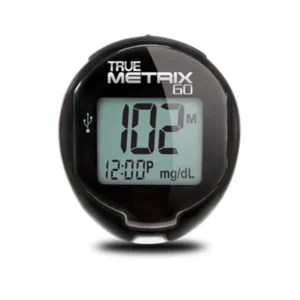
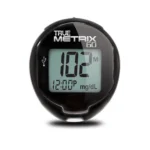
- Display and Portability: Consider the screen size and backlighting if you have difficulty reading small text. Conversely, if you travel often, a compact device like the TRUE METRIX Go may be preferable.
- Testing Speed: Most modern meters provide results within 5 to 10 seconds. While a few seconds might not seem significant, it can make a difference if you test frequently throughout the day.
When comparing different models, focus on these five critical areas to determine which device will best serve your specific needs:
The Ecosystem of Supplies
It is important to remember that a glucose meter is part of a larger system. When you choose a specific brand of meter, you are also committing to their specific test strips. Before deciding on a meter, check the ongoing cost and availability of the strips it uses. Additionally, you will need compatible lancets and a lancing device to obtain your blood sample. To ensure your meter remains accurate over time, you should also have the appropriate control solutions on hand to periodically verify the device’s performance.
Comparison of Top Glucose Meters
To help you decide, we have categorized our top performing meters based on their primary strengths. Whether you prioritize technology, simplicity, or value, there is a device designed for you.
Top Recommendations for Different Needs
Based on our current catalog, here are the best options for various user requirements:
Best for Visual Impairment: This meter provides spoken results and instructions, making it ideal for users with low vision. It also features no-coding technology for simplicity.
Best for Portability: This ultra-compact meter is designed to twist onto the top of a TRUE METRIX test strip vial, making it the perfect choice for testing on the go.
Best for Data Tracking: The ColorSure technology helps you quickly see if your numbers are in range, and Bluetooth connectivity allows for seamless data logging.
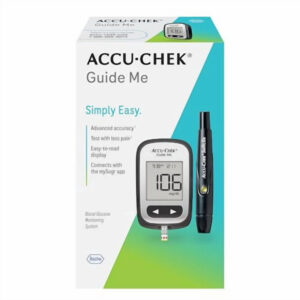
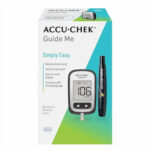
Best for Simple Operation: Designed to be incredibly easy to use, it features a large display and a simple two button navigation system.
Maintaining Accuracy with Control Solutions
Always use the control solution specifically designed for your meter brand. For example, if you use a Prodigy meter, you should use Prodigy Low Control Solution or the high version to check calibration. This is especially important when opening a new box of strips or if you drop your meter.
Frequently Asked Questions
Can I use any test strip with my glucose meter?
No. Test strips are not universal. You must use the specific strips designed for your meter model. For instance, the FreeStyle Lite meter requires FreeStyle Lite test strips.
What does ‘No Coding’ mean?
No-coding means the meter automatically calibrates itself to each new batch of test strips. This eliminates the need to manually enter a code, which prevents errors that could lead to inaccurate readings.
How often should I use control solution?
You should use control solution when you open a new vial of test strips, if you suspect the meter or strips are not working correctly, or if the meter has been dropped or exposed to extreme temperatures.
Does the size of the blood sample matter?
Yes, for many users. Meters that require a smaller sample size allow for shallower lancet settings, which can make the testing process less painful.