Best Test Strips: Top Picks
Top Recommended Blood Glucose Test Strips
Selecting the right test strips is one of the most important decisions for anyone monitoring their blood sugar levels. Accuracy is paramount, but factors like the required blood sample size, coding requirements, and price per strip also play a significant role in long term satisfaction. While many users stick with the brand that matches their initial meter kit, exploring other compatible options can often lead to better features or lower monthly costs. Below, we have curated the best options currently available in our catalog to help you find the perfect match for your glucose meter.
Comparison of Top Test Strip Picks
The following table provides a quick overview of our top recommendations based on current pricing and count. Note that prices represent the cost at the time of publication and are subject to change. Always verify compatibility with your specific meter model before purchasing.
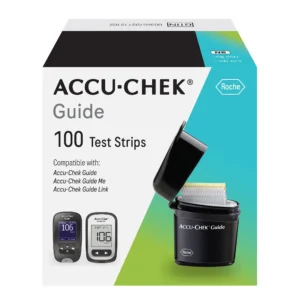
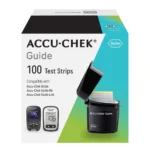
Best for Accuracy and Design: Accu-Chek Guide
The Accu-Chek Guide system is widely regarded for its high standard of accuracy and user friendly features. The strips are designed with a large dosing area, making it easier to apply a small blood sample. One of the most praised features is the spill resistant SmartPack vial, which prevents strips from falling out when the container is tipped or dropped. This makes it an excellent choice for users with limited dexterity or those who test frequently on the go.
Best Premium Option: Offers the best balance of high accuracy and advanced vial design for daily users.
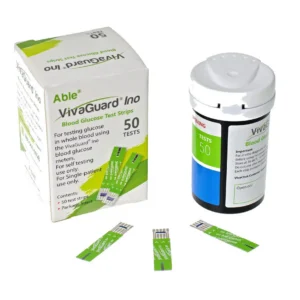
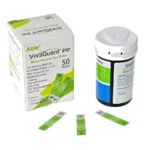
Best Budget Friendly Option: VivaGuard Ino
For those looking to minimize the high cost of daily testing without sacrificing reliability, the VivaGuard Ino system is a standout choice. These strips are among the most affordable in our inventory, making them ideal for individuals without insurance coverage or those who must test multiple times per day. Despite the lower price point, they provide consistent results and require a very small blood sample for testing.
Best Value: Provides the lowest cost per strip while maintaining reliable performance.
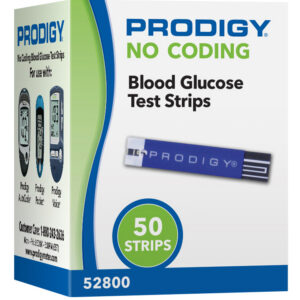
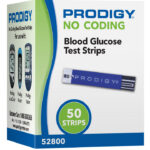
Best for No-Coding Convenience: Prodigy
Coding a meter every time you open a new box of strips can be a hassle and a potential source of error. The PRODIGY No Coding strips eliminate this step entirely. These strips automatically calibrate with the meter, reducing the risk of inaccurate results caused by incorrect coding. This simplicity is particularly beneficial for elderly users or anyone who prefers a straightforward, error free testing process.
Best for Ease of Use: Eliminates the need for manual coding, reducing the chance of user error.
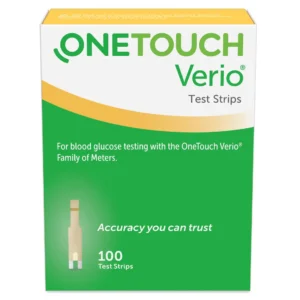
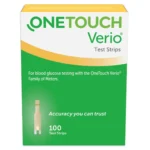
Reliable Standard: OneTouch Verio
OneTouch is a household name in diabetes care, and the Verio line is their most advanced strip technology. These strips are designed to be used with the OneTouch Verio Flex and other Verio meters. They feature a side fill design that allows you to apply blood to either side of the strip, which is convenient for both right and left handed users. While they sit at a higher price point, their reputation for consistency and widespread meter compatibility makes them a reliable choice.
Best for Brand Loyalty: A trusted brand with high compatibility across the popular Verio meter family.
How to Choose the Right Test Strips
- Meter Compatibility: This is the most critical factor; strips are rarely interchangeable between different meter brands or even different models within the same brand.
- Sample Size: Look for strips that require a small blood sample, typically measured in microliters, to make the lancing process less painful.
- Coding Requirements: Choose No Coding strips if you want to avoid the manual calibration step required by older systems.
- Price per Strip: Calculate the cost by dividing the total price by the number of strips in the box; buying in bulk, such as 100 count boxes, often provides better value.
- Expiration Date: Ensure you can use the entire box before the expiration date; most strips should be used within 90 to 180 days after opening the vial.
When browsing our full selection of test strips, keep these factors in mind to ensure you get the best experience:
Essential Testing Accessories
To get the most accurate results from your test strips, you also need the right support tools. Always clean the testing site with alcohol swabs before lancing to remove any sugar residue from your skin. Additionally, using fresh lancets for every test ensures a cleaner, less painful puncture. If you ever doubt the accuracy of your strips, use a compatible control solution to verify that your meter and strips are working together correctly.
Frequently Asked Questions
Can I use different brands of test strips with my meter?
Generally, no. Blood glucose meters are calibrated specifically for their matching brand and model of test strips. Using incompatible strips will result in error messages or, more dangerously, inaccurate readings.
Do test strips expire?
Yes, test strips have an expiration date printed on the box or vial. Using expired strips can lead to inaccurate results because the enzymes on the strip degrade over time. Most manufacturers also recommend discarding strips a certain number of months after the vial is first opened.
Why did my meter give me an error message with a new strip?
Common causes for error messages include insufficient blood sample, a damaged strip, or a strip that was inserted incorrectly. It can also happen if the strip is expired or if the meter requires coding that has not been performed.
How should I store my test strips?
Strips should be stored in their original vial in a cool, dry place. Avoid extreme temperatures and humidity, as moisture can damage the sensitive reagents on the strips. Always close the vial cap tightly immediately after removing a strip.