Best Lancing Devices: Top Picks
Finding Comfort in Glucose Testing
For individuals managing diabetes, blood glucose testing is a frequent and necessary task. The quality of your lancing device can make the difference between a painful chore and a quick, relatively painless routine. A high-quality device ensures consistent depth and minimizes skin trauma. While many glucose meters come with a basic lancing tool, upgrading to a specialized device can offer better depth control and smoother operation. This guide explores the top-rated options currently available to help you find the best fit for your skin type and lifestyle.
How to Choose a Lancing Device
- Adjustable Depth Settings: Look for devices with multiple levels to accommodate different skin thicknesses.
- Lancet Compatibility: Some devices use universal lancets, while others require brand-specific ones.
- Lancet Ejection: A built-in ejector allows you to remove used lancets without touching the sharp needle.
- Vibration Control: Higher-end models use technology to reduce the side-to-side motion of the needle, which reduces pain.
- Portability: Consider the size and shape if you frequently test while traveling or at work.
When selecting a device for your testing kit, consider these essential features that impact both comfort and safety:
Top Picks for Comfort and Precision
We have analyzed the leading models based on user feedback, pricing, and technical features to bring you these top recommendations.
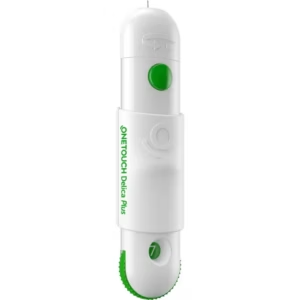
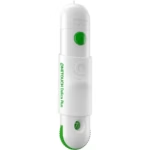
Best for Comfort: This device is highly regarded for its precision and reduced vibration. It features 13 depth settings, allowing for a highly customized experience. It is designed to work specifically with <a href="https://glucosegear.net/product/onetouch-delica-plus-lancets-30g-100-count/">OneTouch Delica Plus Lancets</a>, which are extra fine for added comfort.
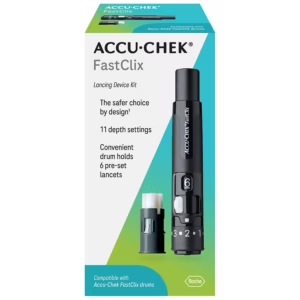
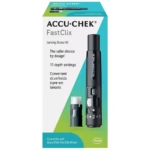
Best for Convenience: The FastClix system is unique because it uses a drum containing six pre-loaded lancets. This eliminates the need to handle individual sharps for every test, making it ideal for those with dexterity issues or active lifestyles. It is competitively priced for the convenience it provides.
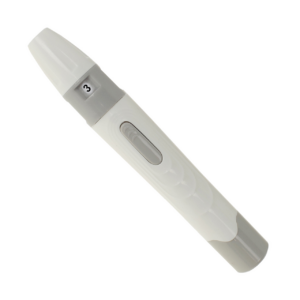
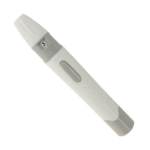
Best Value: For those seeking an affordable yet reliable option, this device is an excellent choice. It includes a lancet ejector for safety and provides multiple depth settings. It is the most budget-friendly option in our catalog while still delivering consistent results.
Comparison of Top Lancing Devices
To help you make a quick decision, here is a summary of how our top picks compare in terms of their primary benefits and features.
| Device | Best For | Key Advantage |
|---|---|---|
| OneTouch Delica Plus | Pain Sensitivity | 13 Depth Settings |
| Accu-Chek FastClix | Busy Lifestyles | 6-Lancet Drum System |
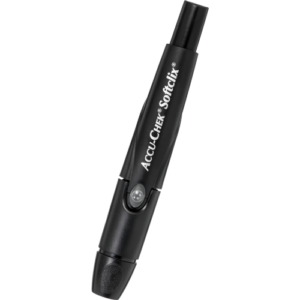
| Accu-Chek Softclix | Precision | Clixmotion Technology |
| VivaGuard | Budget Conscious | Integrated Ejector |
| TRUEdraw | Simplicity | Compact Design |
Maintenance and Safety Best Practices
Using a lancing device correctly is just as important as choosing the right one. Always begin by cleaning the testing site with alcohol swabs to prevent infection. To maintain the longevity of your device, wipe the exterior regularly and never share your device with others, even family members. Most importantly, always dispose of used lancets in a puncture-resistant sharps container to ensure the safety of yourself and your community. Rotating your testing sites around the fingertip can also help prevent calluses and maintain skin health over time.
Frequently Asked Questions
Can I use any lancet with my lancing device?
Not necessarily. While some devices use a universal square-base design, many popular brands like OneTouch and Accu-Chek require specific lancets designed for their proprietary systems. Always check the product description for compatibility.
How often should I change the lancet?
Medical professionals recommend using a new, sterile lancet for every test. Reusing lancets can cause them to become dull and jagged, leading to more pain and a higher risk of skin irritation or infection.
What depth setting should I use?
It is best to start with the lowest (shallowest) setting and gradually increase it until you obtain a sufficient blood drop for your test strips. This minimizes unnecessary pain.
Why is my lancing device not drawing enough blood?
This could be due to a setting that is too shallow, cold hands, or poor circulation. Try washing your hands in warm water or gently massaging your finger before lancing to improve blood flow.