Best Glucose Meters: Top Picks
Choosing the Best Glucose Meter
Managing blood sugar levels requires a reliable tool that fits into your daily routine. With so many options available in the glucose meters category, it can be difficult to determine which device offers the best balance of accuracy and convenience. A high quality meter should provide fast results, require a small blood sample, and offer easy-to-read data. Many modern devices also feature no-coding technology, which eliminates the need to manually enter codes for every new box of test strips, reducing the risk of user error.
Key Features to Consider
- Accuracy and consistency of readings
- Ease of use and display readability
- Sample size requirements (smaller is generally more comfortable)
- Data storage and memory capacity
- Availability and cost of compatible supplies
- Portability and battery life
When evaluating different monitoring systems, keep these factors in mind to ensure you choose a device that meets your specific needs:
Top Recommended Glucose Meters
Based on our current inventory and user feedback, these are the top picks for various user requirements.
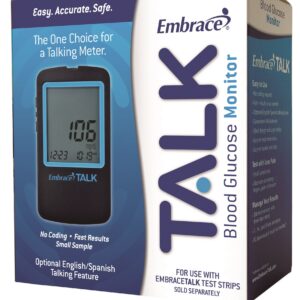
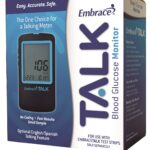
Best for Accessibility: This meter is an excellent choice for users with visual impairments. It features a talking function that reads results aloud and requires no coding, making it highly user-friendly and affordable.
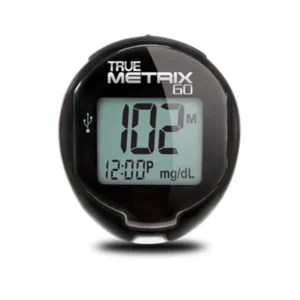
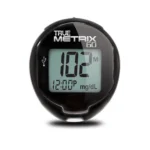
Best for Travel: The TRUE METRIX Go is designed for portability. Its compact size allows it to fit easily into a pocket or small bag, providing fast and accurate results while you are on the move.
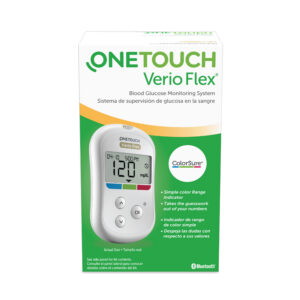
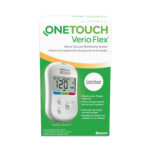
Best for Range Visibility: This system uses ColorSure technology to instantly show if your blood sugar numbers are in or out of range, taking the guesswork out of interpreting your results.
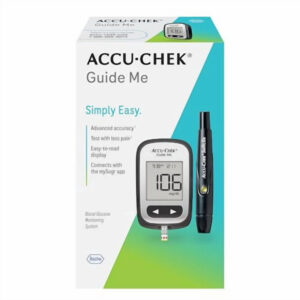
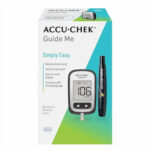
Best for Simple Management: The Guide Me system focuses on simplicity with a large, easy-to-read display and a spill-resistant test strip vial, making it a reliable option for daily home testing.
Comparison Table: Top Picks
The following table compares the key characteristics and current pricing of our top-rated monitoring systems. Please note that prices are subject to change based on availability.
| Product Name | Primary Benefit | Price Point |
|---|---|---|
| Embrace TALK | Audio results; No Coding | Budget-friendly |
| TRUE METRIX Go | Ultimate portability | Mid-range |
| OneTouch Verio Flex | Color-coded range indicator | Premium |
| Accu-Chek Guide Me | Large display; Spill-resistant | Mid-range |
| FreeStyle Lite | Smallest sample size | Premium |
Essential Supplies for Monitoring
A glucose meter is only one part of the monitoring process. To get the most out of your device, you must use the correct accessories. For instance, you should always have a fresh supply of lancets and a reliable lancing device to obtain blood samples comfortably. Additionally, periodic testing with control solutions ensures that your meter and strips are performing within the manufacturer’s specified range.
How to Ensure Accurate Readings
- Always wash and dry your hands thoroughly before testing.
- Check the expiration date on your test strip vial regularly.
- Store strips in their original container to protect them from moisture.
- Use a new lancet for every test to minimize discomfort and risk of infection.
- Perform a control test whenever you open a new box of strips or if you drop your meter.
To maintain the highest level of accuracy with your chosen meter, follow these best practices:
Frequently Asked Questions
What does no-coding mean for a glucose meter?
No-coding means the meter automatically calibrates itself for each new batch of test strips. This prevents inaccuracies that can occur if a user forgets to manually enter a code or enters the wrong one.
Can I use any brand of test strips with my meter?
No, test strips are specifically designed to work with certain meter models. For example, the OneTouch Verio Flex requires OneTouch Verio strips. Always verify compatibility before purchasing supplies.
How often should I use control solution?
You should use control solution when you first get your meter, when you open a new vial of strips, if you suspect the meter is giving inaccurate results, or if the meter has been dropped or exposed to extreme temperatures.
Why are my glucose readings different from the lab results?
Home meters measure glucose in whole blood or plasma, while labs often use different methods. A variation of up to 15 percent is generally considered acceptable by industry standards.