30G vs 33G: Which Should You Choose?
Understanding Needle Gauge in Glucose Testing
When you are managing diabetes, the small details of your testing routine can make a massive difference in your daily comfort. One of the most common questions regarding lancets is the difference between gauges, specifically 30G and 33G. In the world of medical needles, the gauge (G) refers to the thickness of the needle. A higher gauge number indicates a thinner needle. Therefore, a 33G lancet is thinner than a 30G lancet. While the difference might seem microscopic, it affects how much pain you feel and how easily you can obtain a blood sample for your test strips.
30G Lancets: The Reliable Standard
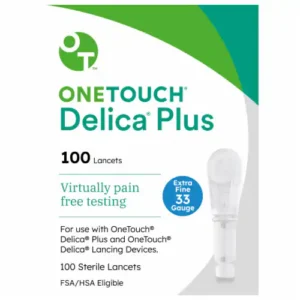
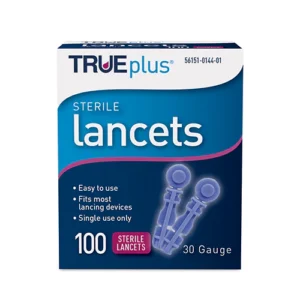
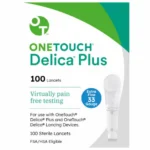
30G lancets are often considered the industry standard for thin lancets. They are significantly thinner than the older 21G or 25G needles, providing a much more comfortable experience. A 30G lancet is generally thick enough to penetrate slightly tougher or calloused skin while still being thin enough to minimize discomfort. For many users, 30G provides the perfect balance, ensuring a sufficient drop of blood is produced on the first try without needing to repeat the prick. Options like OneTouch Delica Plus Lancets 30G are popular because they work reliably with advanced lancing devices to reduce vibration.
33G Lancets: Maximum Comfort for Sensitive Skin
If you have sensitive skin or test your blood sugar many times a day, 33G lancets might be your preferred choice. These are often labeled as extra fine or ultra thin. Because the needle diameter is smaller, the puncture is less invasive, which typically results in less pain and faster healing of the site. However, because they are so thin, some users with thicker skin may find it difficult to get a large enough blood drop for their meter. Using a high quality 33G option like TRUEplus Sterile Lancets 33G can make frequent testing much more bearable for those with delicate fingers.
30G vs 33G Comparison Table
This table compares the general characteristics of 30G and 33G lancets to help you visualize the trade offs between comfort and blood volume.
Key Differences at a Glance
- Gauge Size: 30G is thin; 33G is ultra thin.
- Pain Level: 33G is generally the least painful option available.
- Skin Type: 30G is better for calloused or thick skin; 33G is best for sensitive or thin skin.
- Blood Volume: 30G typically produces a larger drop more easily.
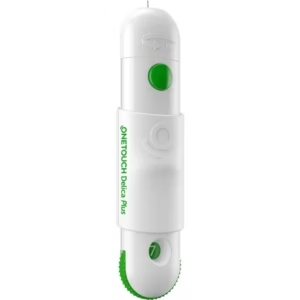
- Compatibility: Most lancing devices support 30G, while 33G often requires specific compatible devices like the OneTouch Delica Plus.
Compare the features of these two common gauges:
Comparison Data
| Feature | 30G Lancets | 33G Lancets |
|---|---|---|
| Needle Diameter | Approx. 0.31 mm | Approx. 0.20 mm |
| Comfort Level | High | Very High |
| Blood Yield | Reliable/Large | Smaller/May require higher depth setting |
| Best For | Standard use, active hands | Sensitive skin, children, frequent testing |
| Example Price (100ct) | $1.99 – $21.99 | $1.99 – $21.99 |
How to Choose the Right Gauge for You
Selecting the right lancet depends on your unique physiology and your lancing device settings.
Best for Tougher Skin: The 30G thickness provides enough strength to penetrate calloused skin without bending, ensuring a good sample.
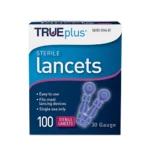
Best for Maximum Comfort: Designed specifically for the Delica Plus system to provide the most comfortable testing experience possible.
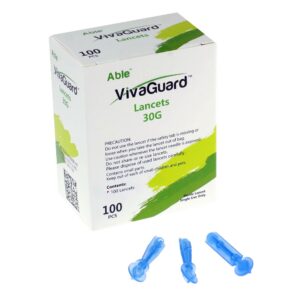
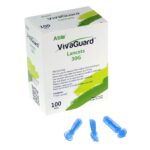
Best Budget 30G Option: An extremely affordable option for those who need a standard 30G lancet for daily use.
Practical Tips for Less Painful Testing
- Always use a fresh lancet. Reusing lancets dulls the tip and causes more pain.
- Clean the site with alcohol swabs and let it dry completely before testing.
- Test on the side of your fingertip rather than the pad, as there are fewer nerve endings there.
- Adjust the depth setting on your lancing device. Start with the lowest setting and increase only if you cannot get enough blood.
- Rotate your testing sites frequently to prevent the buildup of scar tissue.
Regardless of the gauge you choose, these tips can help make your glucose monitoring more comfortable:
Frequently Asked Questions
Is 33G thinner than 30G?
Yes. In needle gauges, the higher the number, the thinner the needle. A 33G lancet has a smaller diameter than a 30G lancet.
Will 33G lancets work in my lancing device?
Most universal lancing devices accept standard 30G lancets. However, 33G lancets are often brand specific, such as those designed for the OneTouch Delica Plus system. Always check your device’s compatibility before purchasing.
Why would I choose 30G if 33G is less painful?
Some users find that 33G needles are too thin to produce an adequate blood sample, especially if they have thicker skin or poor circulation in their hands. 30G provides a slightly larger puncture that ensures enough blood for the test strip.
Can I use 33G lancets for children?
33G lancets are often recommended for children and individuals with very thin, sensitive skin because they minimize the physical trauma to the finger.