30G vs 28G: Which Should You Choose?
Understanding Needle Gauge: 30G and 28G
When managing diabetes, the technical specifications of your supplies can significantly impact your daily comfort. One of the most common questions for those using insulin syringes is the difference between needle gauges, specifically 30G versus 28G. In the medical world, the gauge (G) refers to the diameter of the needle. A critical rule to remember is that the higher the gauge number, the thinner the needle. Therefore, a 30G needle is thinner than a 28G needle. While the physical difference is measured in fractions of a millimeter, the impact on your injection experience can be quite noticeable.
The 28G Needle: Reliable and Durable
The 28G needle has long been considered a standard size in the industry. With a diameter of approximately 0.36mm, it provides a sturdy feel that many users prefer. Because the metal is slightly thicker, it is less likely to bend during the injection process, which can be an advantage for individuals with thicker skin or those who may not have the most steady hand. While it is thicker than a 30G needle, it is still significantly finer than the needles used for blood draws or vaccinations. For many, the 28G offers a perfect balance between durability and ease of use.
The 30G Needle: Enhanced Comfort
As technology has advanced, thinner needles like the 30G have become increasingly popular. Measuring roughly 0.31mm in diameter, the 30G needle is designed to minimize the sensation of the prick. Because it is thinner, it displaces less tissue upon entry, which often results in less pain and a reduced risk of bruising at the injection site. This makes 30G insulin syringes an excellent choice for children, individuals with a low pain threshold, or those who must inject multiple times per day and want to minimize skin trauma.
Key Differences at a Glance
- Thickness: 30G is thinner (0.31mm) while 28G is thicker (0.36mm).
- Pain Level: 30G generally offers a more comfortable, less painful injection.
- Durability: 28G is sturdier and less prone to bending during use.
- Flow Rate: 28G allows for a slightly faster delivery of insulin, though the difference is negligible for standard doses.
- Skin Type: 28G is often better for tougher or thicker skin, while 30G is ideal for sensitive or thin skin.
To help you decide between these two common options, consider these primary points of comparison:
Comparison Table: 28G vs 30G
The following table summarizes the technical and practical differences between these two needle sizes to assist in your commercial investigation.
Who Should Choose Which Gauge?
Choosing the right gauge is a personal decision that should be discussed with your healthcare provider. However, general trends can guide your choice.
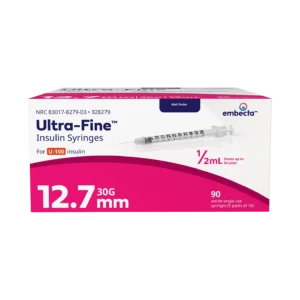
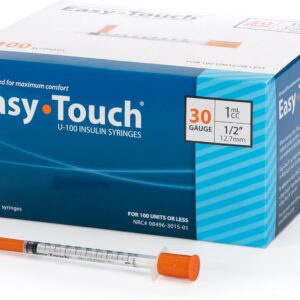
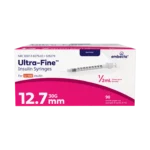
Best for Comfort: This 30G needle from a trusted brand is designed for maximum comfort and minimal skin trauma.
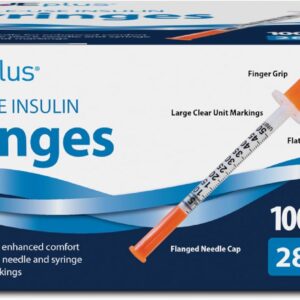
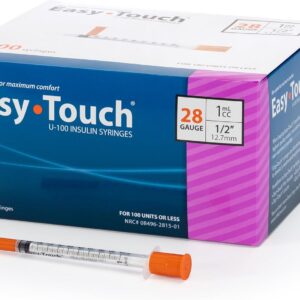
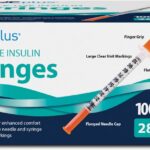
Best for Durability: A sturdy 28G option that provides a reliable injection for those who find thinner needles too flimsy.
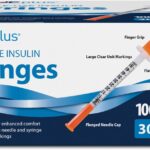
Best Value 30G: An affordable way to access the comfort of a 30G needle in a convenient 100 count box.
Factors Beyond the Gauge
While the gauge is important, it is not the only factor in injection comfort. Needle length also plays a significant role. For instance, a 30G needle is often paired with shorter lengths like 5/16 inch to further reduce the risk of intramuscular injection. You can learn more about these options in our guide to 5/16 inch insulin syringes. Additionally, the quality of the needle lubrication and the bevel design (the slanted tip) can affect how smoothly the needle enters the skin. Brands like BD and EasyTouch are known for high quality manufacturing that prioritizes these details.
Final Decision: 30G or 28G?
If you are currently using 28G and find the injections painful or notice significant bruising, trying a 30G needle is a logical next step. Conversely, if you find that your 30G needles are bending or you struggle to control the syringe, a 28G needle might provide the extra stability you need. Many users find that once they switch to a higher gauge like 30G or even 31G, they rarely go back to 28G due to the improved comfort levels.
Frequently Asked Questions
Is 30G thinner than 28G?
Yes, in needle gauges, the higher the number, the thinner the needle. A 30G needle has a smaller diameter than a 28G needle.
Does a 30G needle take longer to inject insulin?
While a thinner needle theoretically has a slower flow rate, for standard insulin doses, the difference is not noticeable to the user.
Can I use 28G syringes if my doctor recommended 30G?
You should follow your doctor’s recommendation. While both can deliver insulin, the 30G is likely recommended for your specific comfort or skin type.
Which is better for children?
Generally, 30G needles are preferred for children because they are thinner and cause less pain during the injection.