28G vs 33G: Which Should You Choose?
Understanding Lancet Gauges
When you are managing diabetes, the small details of your daily routine can make a significant difference in your overall comfort. One of the most frequent questions users have when browsing lancets is the difference between gauges, specifically 28G and 33G. In medical terminology, the gauge number refers to the thickness of the needle. It is important to remember that the higher the gauge number, the thinner the needle. This means a 33G lancet is significantly thinner than a 28G lancet. Choosing the right one depends on several factors, including your skin thickness, your sensitivity to pain, and the amount of blood your glucose meter requires for an accurate reading.
The 28G Lancet: Reliable and Standard
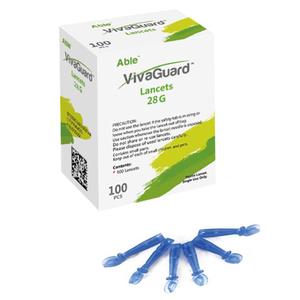
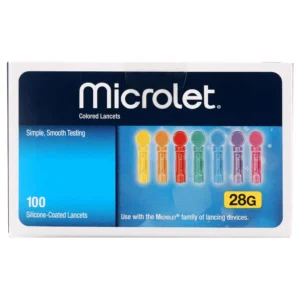
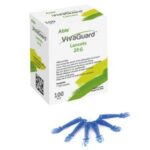
The 28G lancet is often considered the standard size for many glucose monitoring systems. Because it is slightly thicker than the ultra fine options, it is highly effective at producing a sufficient blood drop on the first try. This is particularly useful for individuals with thicker or calloused skin, or for those using older glucose meters that require a larger blood sample. While it is thicker than a 33G needle, modern manufacturing ensures that 28G lancets are still designed with tri-bevel tips to minimize discomfort. Many users find that a VivaGuard 28G Lancet provides the perfect balance of reliability and ease of use.
The 33G Lancet: Maximum Comfort
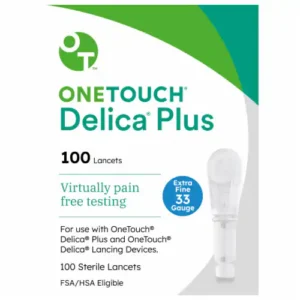
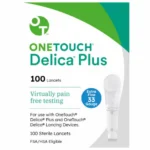
For those with sensitive skin or who find daily testing painful, the 33G lancet is often the preferred choice. These are among the thinnest lancets available on the market. The ultra thin profile is designed to penetrate the skin with minimal sensation, making the lancing process almost feel like nothing at all. However, because the needle is so thin, it produces a smaller drop of blood. This is perfectly fine for modern, high tech meters that only require a tiny sample, but it may require a deeper setting on your lancing device if you have tougher skin. Premium options like the OneTouch Delica Plus 33G Lancets are specifically engineered for this high level of comfort.
28G vs 33G Comparison Table
To help you decide between these two popular sizes, here is a quick breakdown of how they compare across key categories:
| Feature | 28G Lancets | 33G Lancets |
|---|---|---|
| Needle Thickness | Standard (Thicker) | Ultra Fine (Thinner) |
| Pain Level | Low | Minimal |
| Blood Volume | Generous | Small |
| Skin Type | Normal to Thick | Sensitive or Thin |
| Value | Often more affordable | Often premium priced |
Who Should Choose Which?
Selecting the right gauge is a personal choice, but these general guidelines can help you make an informed decision based on your specific needs.
Best for Thick or Calloused Skin: The 28G thickness ensures you get a proper blood sample on the first try, even if your skin is tougher from manual labor or frequent testing.
Best for Maximum Comfort: These ultra thin lancets are designed specifically to reduce the pain associated with testing, making them ideal for sensitive fingers.
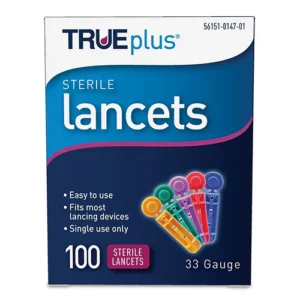
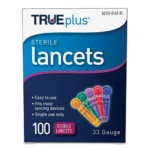
Best Budget 33G Option: If you want the comfort of a 33G needle without the premium brand price, these offer excellent value for daily use.
Essential Testing Tips
- Always wash your hands with warm water before testing to increase blood flow.
- Use alcohol swabs to clean the site if you cannot wash your hands.
- Rotate your testing sites daily to prevent callouses from forming.
- Never reuse a lancet; they become dull and can cause more pain and risk of infection.
- Dispose of used lancets in a proper sharps container for safety.
Regardless of which gauge you choose, following proper testing protocols can improve your experience and ensure accuracy:
Frequently Asked Questions
Can I use a 33G lancet in any lancing device?
Not necessarily. While many lancets are universal, some ultra thin gauges like the OneTouch Delica Plus 33G require a specific lancing device designed for that brand. Always check the compatibility of your device before purchasing.
Is 28G more painful than 33G?
For most people, 28G is slightly more noticeable than 33G. however, the difference is often minimal if you are using a high quality lancing device with adjustable depth settings.
Why would I choose 28G if 33G is more comfortable?
If your glucose meter requires a larger blood sample or if you have thick skin, a 33G lancet might not provide enough blood. In these cases, 28G is more reliable and prevents the need for multiple finger pricks.
How often should I change my lancet?
You should use a new lancet for every single test. Reusing lancets makes the tip jagged and dull, which increases pain and can damage your skin tissue over time.