27G vs 33G: Which Should You Choose?
Understanding the Needle Gauge System
In the world of diabetes management, the term gauge (abbreviated as G) refers to the thickness or diameter of a needle or lancet. A common point of confusion for many users is the inverse relationship between the gauge number and the actual size of the needle. Simply put, the higher the gauge number, the thinner the needle. This means a 33G needle is significantly finer than a 27G needle. Understanding this distinction is vital for balancing comfort with the necessary flow of insulin or blood. While 27G needles are often found in standard syringes and needles, the 33G size is typically reserved for ultra-fine lancets designed for maximum comfort.
27G: The Reliable Standard for Flow
A 27G needle has an outer diameter of approximately 0.41mm. This size is considered a standard workhorse in clinical settings. Because it has a wider internal opening (lumen), it allows for a faster flow of medication. In the context of diabetes, 27G is frequently used in insulin syringes for individuals who may have tougher skin or those who require a more durable needle that will not bend easily. While it provides excellent stability, the larger diameter may be more noticeable upon insertion compared to higher gauge options.
33G: The Ultra-Fine Choice for Comfort
On the opposite end of the spectrum is the 33G needle, measuring roughly 0.21mm in diameter. This is nearly half the thickness of a 27G needle. These ultra-fine needles are most commonly found in high-end lancets. The primary benefit of a 33G needle is a significant reduction in pain. Because the needle is so thin, it stimulates fewer nerve endings, making it the ideal choice for children, individuals with sensitive skin, or those who must test their blood glucose multiple times a day. However, because they are so fine, they are also more delicate and are strictly for single-use to prevent bending or dulling.
27G vs 33G: Comparison at a Glance
When deciding between these two gauges, it helps to look at how they perform across different categories. Below is a summary of how they compare in practical use.
Comparison Table: 27G vs 33G
- Diameter: 27G is approximately 0.41mm, while 33G is approximately 0.21mm.
- Pain Level: 27G is moderate, while 33G is minimal to nearly painless.
- Skin Type: 27G is better for thick or calloused skin. 33G is best for sensitive or thin skin.
- Primary Use: 27G is common for insulin delivery. 33G is common for blood glucose lancets.
- Durability: 27G is sturdy and rigid. 33G is very flexible and delicate.
Key differences in needle specifications:
How to Choose the Right Gauge for You
Choosing the right gauge depends on your specific needs, your skin type, and the type of device you are using.
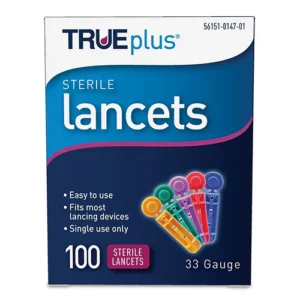
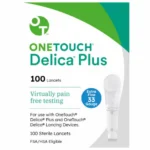
Best for Frequent Testing: The 33G thickness provides the highest level of comfort for those who test their blood sugar multiple times daily.
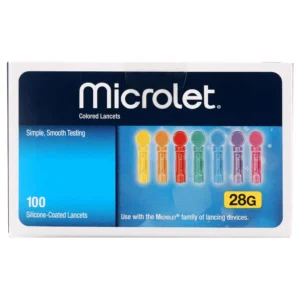
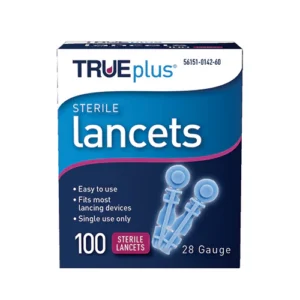
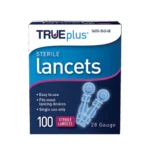
Best for Calloused Skin: If 33G is too thin to draw blood, a thicker 28G lancet (closest to 27G) provides the necessary penetration for tougher skin.
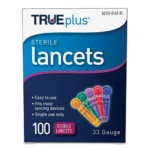
Best for Sensitive Users: An affordable 33G option that ensures a gentle experience for those with high needle sensitivity.
The Importance of Proper Disposal
Regardless of whether you choose a 27G or a 33G needle, safe disposal is a critical part of your routine. Used needles and lancets should never be thrown directly into the trash. Always use a dedicated sharps container, such as the Covidien SharpSafety Sharps Container, to protect yourself and others from accidental needle sticks.
Frequently Asked Questions
Is 33G thinner than 27G?
Yes. In the gauge system, the higher the number, the thinner the needle. A 33G needle is roughly half the thickness of a 27G needle.
Which gauge is better for a painless experience?
The 33G is the better choice for comfort. Because it is ultra-fine, it causes significantly less trauma to the skin and nerve endings.
Why would someone choose a 27G needle?
A 27G needle is often preferred for delivering medications that are more viscous or for users with thick, calloused skin where a thinner needle might bend or fail to penetrate effectively.
Can I use 33G lancets in any lancing device?
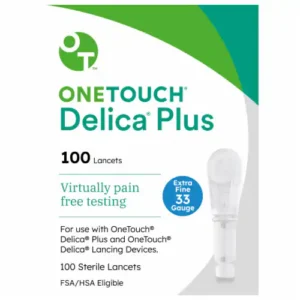
Not always. Some 33G lancets, like the OneTouch Delica Plus, are designed specifically for their own brand’s lancing device. Always check compatibility before purchasing.
Does needle gauge affect the blood sample size?
It can. A thinner 33G lancet may produce a smaller drop of blood. If your glucose meter requires a larger sample, you may need to adjust the depth setting on your lancing device or use a slightly thicker gauge like 28G or 30G.