27G vs 32G: Which Should You Choose?
Understanding Needle Gauge: 27G vs 32G
When managing diabetes, the equipment you choose plays a vital role in your daily comfort and compliance. One of the most common questions involves needle gauge, specifically the difference between a 27G and a 32G needle. In the world of medical needles, the gauge number refers to the thickness of the needle shaft. A critical rule to remember is that the higher the gauge number, the thinner the needle. Therefore, a 32G needle is significantly thinner than a 27G needle. Understanding how this affects your injection experience is key to selecting the right insulin syringes or injection devices.
The 27G Needle: Stability and Flow
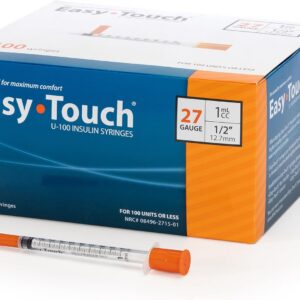
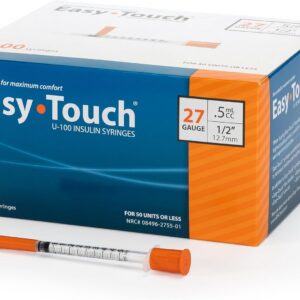
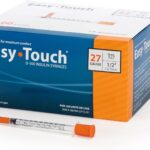
A 27G needle is considered a larger gauge in the context of insulin delivery. While it is much thinner than the needles used for blood draws, it is thicker than modern ultra fine options. The primary advantage of a 27G needle is its structural integrity. Because the metal is thicker, the needle is less likely to bend during use, which can be helpful for individuals with tougher skin or those who use a specific injection technique. Additionally, the wider internal diameter allows for a faster flow rate. This is particularly beneficial if you are injecting a larger volume of insulin or a more viscous solution. You can find these specifications in products like the EasyTouch Insulin Syringe 27G x 1/2 inch.
The 32G Needle: Maximum Comfort
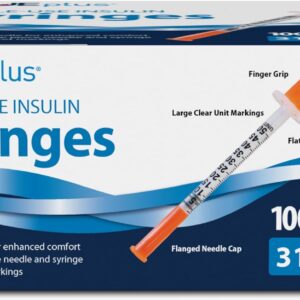
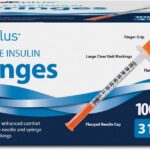
The 32G needle represents the thinner end of the spectrum. These are often referred to as nano or ultra fine needles. The main draw of a 32G needle is the reduction in pain. Because the needle is so thin, it causes less trauma to the skin and underlying tissue, which can reduce bruising and site irritation over time. Most 32G options are found in the pen needles category rather than traditional syringes. While they offer superior comfort, they do require a slower injection speed to ensure the insulin is delivered properly through the narrow opening. For syringe users, the closest equivalent in terms of comfort is often a 31G needle, such as the TRUEplus Insulin Syringe 31G.
27G vs 32G Comparison Table
This table compares the physical characteristics and typical uses of these two gauges to help you visualize the differences.
Key Differences at a Glance
- Diameter: 27G is approximately 0.41mm; 32G is approximately 0.23mm.
- Pain Perception: 27G is more noticeable; 32G is often described as nearly painless.
- Flow Rate: 27G allows for rapid delivery; 32G requires more thumb pressure and a slower pace.
- Durability: 27G is very sturdy; 32G is delicate and must be handled with care to avoid bending.
- Common Lengths: 27G is often 1/2 inch (12.7mm); 32G is typically 4mm or 5mm.
Comparison of 27G and 32G specifications:
Who Should Choose a 27G Needle?
The 27G gauge remains a reliable choice for specific user needs and preferences.
Best 27G Syringe: This syringe offers a high capacity and a sturdy 27G needle for reliable delivery.
Who Should Choose a 32G (or 31G) Needle?
Thinner needles like 32G (or 31G for syringes) are ideal for those prioritizing comfort.
Best Thin Syringe Option: While 32G is rare for syringes, this 31G option provides the closest experience with excellent comfort.
Frequently Asked Questions
Is a 32G needle really less painful than a 27G?
Yes, for most users, a 32G needle is significantly less painful. The smaller diameter causes less stimulation of the nerve endings in the skin. However, injection technique and site rotation also play major roles in comfort.
Why can I not find many 32G insulin syringes?
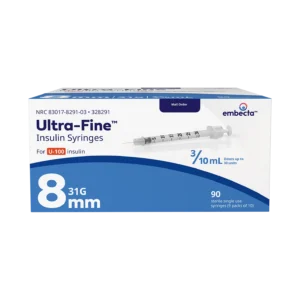
32G needles are extremely thin and delicate. In a traditional syringe format, they are prone to bending. Most manufacturers limit syringe needles to 31G to maintain safety, while 32G is commonly used for pen needles where the needle is shorter and supported by the pen hub.
Does needle gauge affect insulin absorption?
The gauge itself does not directly affect absorption, provided the insulin is delivered into the subcutaneous fat layer. However, thinner needles are often shorter, which may change the depth of the injection compared to a standard 27G needle.
Can I use a 27G needle more than once?
No. Regardless of the gauge, all insulin needles are designed for single use only. Reusing a needle dulls the tip, increases the risk of infection, and can lead to lipohypertrophy (lumps under the skin).