27G vs 28G: Which Should You Choose?
Understanding Needle Gauge: 27G vs 28G
When selecting insulin syringes, one of the most important specifications to understand is the gauge. The gauge, often abbreviated as G, refers to the thickness or diameter of the needle. A critical rule to remember in medical supplies is that the higher the gauge number, the thinner the needle. This means that a 28G needle is thinner than a 27G needle. While the difference might seem minor, it can significantly impact the comfort of your daily injections and how easily the medication flows through the needle.
The 27G Insulin Syringe: Stability and Flow
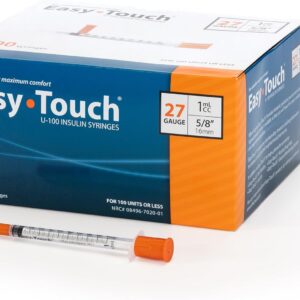
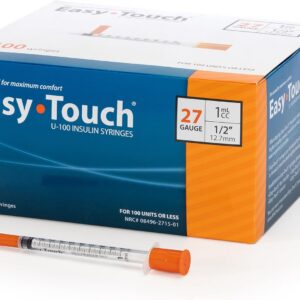
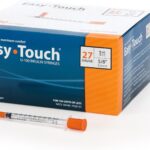
The 27G needle is considered a standard size for many subcutaneous injections. Because it is slightly thicker than the 28G, it offers a bit more structural rigidity. This can be beneficial for individuals who find that extremely thin needles bend too easily during use. Additionally, a 27G needle allows for a slightly faster flow of medication, which can be helpful if you are injecting a larger volume of insulin. You can find these in various lengths, such as the EasyTouch Insulin Syringe 27G x 5/8 inch, which provides a longer reach for specific injection sites.
The 28G Insulin Syringe: Enhanced Comfort
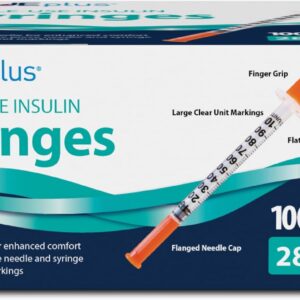
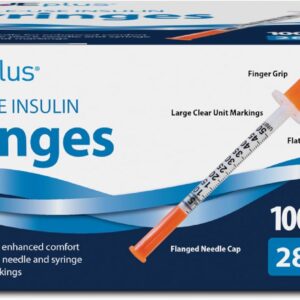
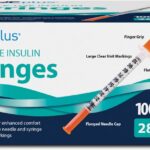
For many users, the 28G needle represents an excellent balance between comfort and functionality. Being thinner than the 27G, it generally causes less discomfort upon entry into the skin. This makes it a popular choice for those who perform multiple injections per day and wish to minimize site irritation. Brands like TRUEplus offer highly affordable options in this category, such as the TRUEplus Insulin Syringe 28G x 1/2 inch, which is a staple for many managing diabetes on a budget.
Direct Comparison: 27G vs 28G
To help you make an informed decision, here is a breakdown of the primary differences between these two common needle gauges. Use this information to determine which specification aligns best with your comfort preferences and the advice of your healthcare provider.
| Feature | 27G Syringe | 28G Syringe |
|---|---|---|
| Needle Thickness | Slightly Thicker | Slightly Thinner |
| Comfort Level | Standard | Higher |
| Flow Rate | Faster | Standard |
| Durability | High (Less likely to bend) | Moderate |
| Typical Lengths | 1/2 inch or 5/8 inch | 1/2 inch |
How to Choose the Right Gauge
- Skin Sensitivity: If you have sensitive skin or a low pain threshold, the thinner 28G needle is usually the better starting point.
- Injection Volume: For larger doses of insulin, the 27G needle may allow the injection to be completed more quickly.
- Needle Length: If you require a 5/8 inch needle, you will more commonly find it in a 27G size, whereas 28G is standard for 1/2 inch needles.
- Cost and Availability: Both sizes are widely available, but brands like TRUEplus often provide significant value in the 28G range.
Selecting the right gauge involves balancing your personal pain tolerance with the practicalities of the injection process. Consider the following factors:
Best For Recommendations
Based on the products available in our catalog, here are our top picks for each gauge category.
Best 27G Value: This is an excellent choice for those who need a slightly longer needle with the stability of a 27G gauge, offered in a cost-effective 100 count box.
Best 28G Value: TRUEplus provides incredible value for those seeking the comfort of a 28G needle without overspending on daily supplies.
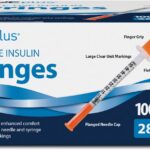
Best for Smaller Doses: Perfect for those requiring doses of 50 units or less, combining a thin needle with a smaller, easier to read barrel.
Frequently Asked Questions
Is a 27G needle or a 28G needle thinner?
A 28G needle is thinner than a 27G needle. In needle gauges, the higher the number, the smaller the diameter of the needle.
Will I feel a difference between 27G and 28G?
Most users notice a slight difference in comfort. The 28G needle is thinner and typically causes less sensation during the injection compared to the 27G.
Can I use a 27G syringe for all types of insulin?
Yes, 27G syringes are standard for insulin delivery. However, you should always follow the specific needle size and gauge recommendations provided by your doctor.
Why would someone choose a 27G needle over a 28G?
A person might choose 27G if they need a longer needle (like 5/8 inch), if they find thinner needles too flimsy, or if they want the medication to flow through the needle faster.