1/2″ vs 4mm: Which Should You Choose?
Introduction to Needle Lengths
Selecting the right needle length is a critical part of managing diabetes. The goal of any insulin injection is to deliver the medication into the subcutaneous fat layer, just beneath the skin but above the muscle. For many years, the 1/2 inch (12.7mm) needle was the standard choice. However, modern medical research has led to the development of much shorter options, such as the 4mm needle. Understanding the differences between these two sizes can help you improve your injection experience and ensure your medication is absorbed correctly. This guide focuses on pen needles, where these two lengths represent the opposite ends of the size spectrum.
The 4mm Needle: Modern Comfort
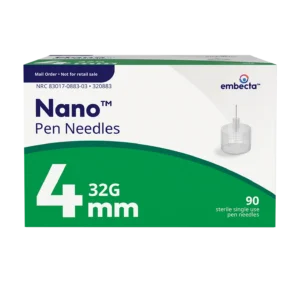
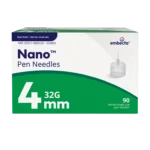
The 4mm needle, often referred to as a nano needle, is currently the shortest length available for insulin delivery. Most medical professionals now recommend this size for the majority of patients, including adults, children, and those with higher body mass indexes (BMI). The primary advantage of a 4mm needle is its ability to reach the subcutaneous tissue without the risk of entering the muscle, even in lean areas. Because the needle is so short, it is typically paired with a very thin gauge, such as 32G, which minimizes pain and bruising at the injection site. Products like the BD Embecta Ultra-Fine Nano Pen Needles have set the standard for this category, offering a comfortable experience that rarely requires a skin fold or pinch technique.
The 1/2 Inch Needle: Traditional Reach
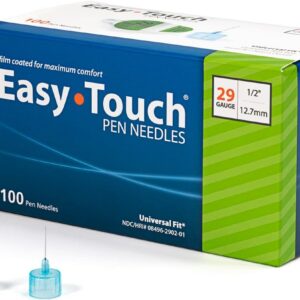
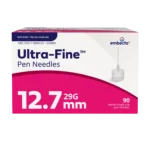
The 1/2 inch (12.7mm) needle is the longest length used for subcutaneous insulin injections. While it has become less common as shorter needles have gained popularity, it remains a preferred choice for some users. This length is often paired with a slightly thicker 29G needle to maintain stability during the injection. When using a 1/2 inch needle, it is almost always necessary to perform a skin pinch (creating a skin fold) and inject at a 45 degree angle to avoid reaching the muscle layer. For those who have used this size for decades and are comfortable with their technique, options like EasyTouch Insulin Pen Needles, 29G x 1/2″ provide a reliable and familiar solution.
Key Differences: 4mm vs 1/2 Inch
The following table highlights the primary differences between these two needle lengths to help you compare them objectively. Note that while 1/2 inch is 12.7mm, it is often listed simply as 1/2″ in product catalogs.
| Feature | 4mm (Nano) | 1/2 Inch (12.7mm) |
|---|---|---|
| Typical Gauge | 32G (Thinner) | 29G (Thicker) |
| Injection Angle | 90 Degrees | 45 Degrees |
| Skin Pinch | Not Required | Highly Recommended |
| Intramuscular Risk | Very Low | Higher (if technique is poor) |
| Comfort Level | Highest | Moderate |
Who Should Choose Each Option?
Choosing between these lengths often comes down to your body type and personal comfort. While the 4mm is the clinical favorite for most, the 1/2 inch still serves a specific audience.
Best for Most Users: Clinically proven to be effective for all BMIs while providing the highest level of comfort and reducing the risk of painful muscle injections.
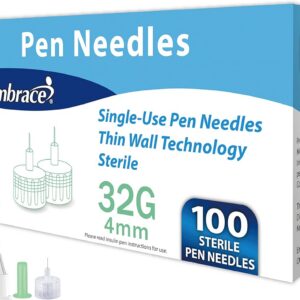
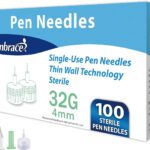
Best Value 4mm Option: An extremely affordable way to access modern 4mm technology without sacrificing quality, priced competitively for a 100 count box.
Best for Traditional Users: Ideal for those who prefer a longer needle and are practiced in the skin-fold injection technique.
Technique Matters
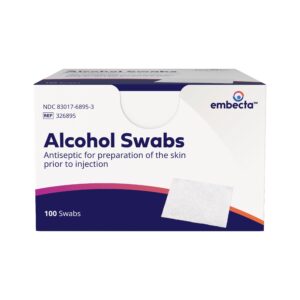
Regardless of which length you choose, proper technique is essential. For the 4mm needle, you can usually inject straight in at a 90 degree angle. For the 1/2 inch needle, you must be careful. If you inject a 12.7mm needle straight into a lean area, you may hit the muscle, which can cause the insulin to absorb too quickly and lead to hypoglycemia. Always consult with your healthcare provider before switching needle lengths to ensure your technique is adapted to the new size. Additionally, remember to use alcohol swabs to clean the site before every injection.
Frequently Asked Questions
Is a 4mm needle long enough to reach the fat layer?
Yes. Research shows that the skin (dermis) is consistently thin across all body types, usually between 1.6mm and 2.4mm. A 4mm needle is long enough to pass through the skin and enter the subcutaneous fat layer for almost everyone.
Do I need to pinch my skin when using a 4mm needle?
Generally, no. A skin pinch is used to pull the fat away from the muscle when using longer needles. With a 4mm needle, the risk of hitting muscle is so low that a pinch is usually unnecessary.
Why would someone still use a 1/2 inch needle?
Some users have used 1/2 inch needles for many years and are comfortable with their specific technique. Others may have been advised by their doctor to use a longer needle due to specific medication requirements or scar tissue issues.
Does a thicker gauge (like 29G) hurt more than 32G?
Most users find that thinner needles (higher gauge numbers like 32G) are more comfortable. Thicker needles like 29G are often used with longer lengths to prevent the needle from bending during injection.