1/2″ vs 3/16″ Pen Needles: Comparison
Understanding Pen Needle Lengths
When it comes to managing diabetes, the equipment you choose can significantly impact your daily comfort. One of the most common questions for those using insulin pens is whether to stick with the traditional 1/2 inch (12.7mm) needle or switch to a shorter 3/16 inch (4.5mm to 5mm) option. Both lengths serve the same primary purpose, delivering medication into the subcutaneous fat layer, but they offer different experiences in terms of technique and sensation. Selecting the right pen needles depends on your body type, injection site preference, and personal comfort level.
The 1/2 Inch Pen Needle: Traditional Depth
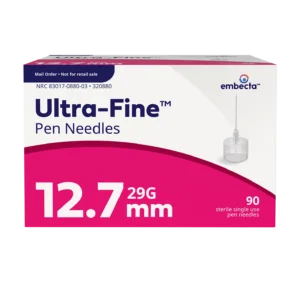
The 1/2 inch needle, measuring 12.7mm, was once the standard for most insulin users. Because of its length, it is often paired with a thicker gauge, such as 29G, to maintain structural integrity during the injection. These needles are frequently chosen by individuals with more subcutaneous tissue or those who have been using this length for many years and are comfortable with the required injection technique. When using a 1/2 inch needle, healthcare providers often recommend a skin fold or pinch technique to ensure the medication is delivered into the fat layer rather than the muscle.
The 3/16 Inch Pen Needle: Modern Comfort
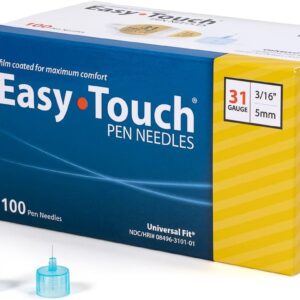
In recent years, medical research has shifted toward recommending shorter needles for almost all body types. The 3/16 inch needle, which is approximately 4.76mm, is designed to reach the subcutaneous layer without the risk of entering the muscle. These needles are usually available in thinner gauges, such as 31G or 32G, which can make the injection process much less painful. For many users, the 3/16 inch length eliminates the need for pinching the skin, simplifying the injection process and reducing the risk of bruising.
Key Differences at a Glance
The following table compares the physical characteristics and typical uses for both 1/2 inch and 3/16 inch pen needles based on products available in our catalog.
Comparison Table: 1/2″ vs 3/16″
- 1/2 Inch (12.7mm): Typically 29G gauge; requires a 45 or 90 degree angle with skin pinch.
- 3/16 Inch (4.5mm-5mm): Typically 31G or 32G gauge; usually injected at a 90 degree angle without a pinch.
- Pain Level: 1/2 inch may be more noticeable; 3/16 inch is generally considered ultra-comfortable.
- Intramuscular Risk: Higher with 1/2 inch if technique is incorrect; very low with 3/16 inch.
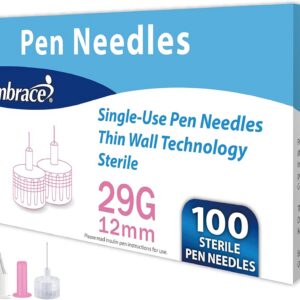
- Price: 1/2 inch options like Embrace are highly affordable; 3/16 inch options vary by brand and gauge.
Comparison of standard specifications:
Which Length Should You Choose?
Choosing between these two lengths is a personal decision that should be discussed with your medical professional. However, here are general guidelines based on user preferences:
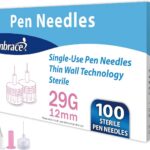
Best Value 1/2" Option: This is a highly cost-effective choice for those who prefer the 1/2 inch length, providing reliable delivery at a lower price point.
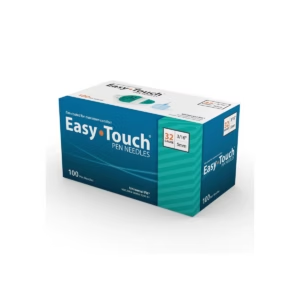
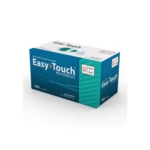
Most Comfortable 3/16" Option: The 32G thickness is incredibly thin, and the 3/16 inch length provides a shallow, comfortable injection.
Recommended Pen Needles
Explore these top-rated options from our inventory to find the right fit for your needs.
Frequently Asked Questions
Is a 3/16 inch needle long enough for everyone?
Yes, clinical studies have shown that 4mm to 5mm (3/16 inch) needles are effective for delivering insulin to the subcutaneous layer in adults of all body mass index (BMI) levels.
Do I need a prescription for different needle lengths?
Requirements vary by state. In many areas, you can purchase pen needles over the counter, but it is always best to check your local regulations and consult your doctor before changing needle sizes.
Why are 1/2 inch needles usually thicker?
Longer needles require a slightly thicker metal (lower gauge number like 29G) to prevent the needle from bending or breaking during the injection process.
Does needle length affect how fast insulin works?
As long as the insulin is delivered into the subcutaneous fat layer, the absorption rate should remain consistent. The risk with 1/2 inch needles is accidentally hitting muscle, which can cause insulin to be absorbed too quickly.