1/2 vs 1/4 Pen Needles: Comparison Guide
Understanding Needle Length: Why It Matters
When managing diabetes, the technical details of your equipment can significantly affect your daily experience. One of the most common points of confusion for those using insulin pens is the choice of needle length. Specifically, the debate between 1/2 inch (12.7mm) and 1/4 inch (6mm or 6.35mm) needles is central to many user discussions. The length of the needle determines how deep the medication is delivered into the subcutaneous tissue. Choosing the wrong length can lead to discomfort or, more importantly, intramuscular injection, which can affect how quickly insulin is absorbed by the body. At our store, we offer a wide variety of pen needles in both sizes to ensure every user finds their perfect fit.
1/2 Inch Pen Needles: The Traditional Choice
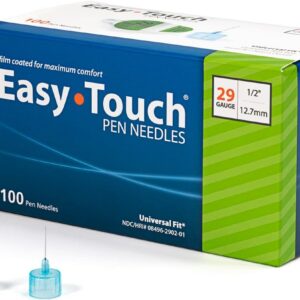
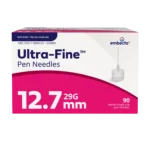
The 1/2 inch needle, measuring 12.7mm, was once the standard for most users. While modern medical trends have shifted toward shorter needles, the 1/2 inch length remains a preferred option for specific groups. It provides a deeper reach, which some users with a higher Body Mass Index (BMI) find necessary to ensure the insulin reaches the subcutaneous fat layer rather than sitting too close to the skin surface. However, because it is longer, it often requires a pinch-up technique to avoid injecting into the muscle. These needles are frequently paired with a lower gauge, such as 29G, which makes the needle slightly thicker and more durable during the injection process.
1/4 Inch Pen Needles: The Modern Standard
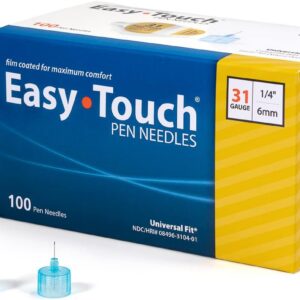
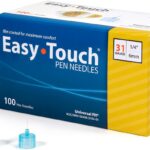
The 1/4 inch needle, typically measuring around 6mm, has become the go-to recommendation for many healthcare providers. The primary advantage of the 1/4 inch length is comfort. Because the needle does not penetrate as deeply, there is a significantly lower risk of hitting a nerve or injecting into muscle tissue. Most users find that 1/4 inch needles, such as those from EasyTouch, provide a nearly painless experience. Furthermore, these needles usually feature a higher gauge (thinner needle), such as 31G, further enhancing the comfort level. For the majority of adults and children, a shorter needle is sufficient to reach the subcutaneous layer without the need for a skin pinch.
Comparison: 1/2 vs 1/4 Pen Needles
To help you visualize the differences, consider the following technical breakdown between these two common lengths.
| Feature | 1/2 Inch (12.7mm) | 1/4 Inch (6.35mm) |
|---|---|---|
| Injection Depth | Deep Subcutaneous | Shallow Subcutaneous |
| Typical Gauge | 29G | 31G |
| Pain Level | Moderate | Very Low |
| Technique | Often requires pinch-up | No pinch required for most |
| IM Risk | Higher | Extremely Low |
Who Should Choose 1/2 Inch Needles?
While shorter needles are popular, the 1/2 inch length is still highly effective for certain individuals.
Best 1/2 Inch Value: These are competitively priced for a 100 count box and provide the standard 12.7mm length with a reliable 29G thickness.
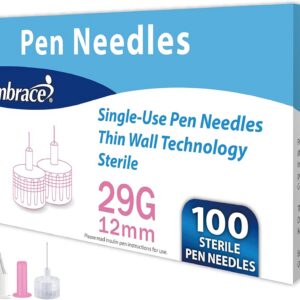
Premium 1/2 Inch Option: BD is a leader in needle technology, offering high-quality manufacturing for a consistent injection experience.
Who Should Choose 1/4 Inch Needles?
Short needles are now the clinical preference for most patients due to safety and ease of use.
Top Choice for Comfort: This product offers the exact 1/4 inch length combined with a thin 31G needle for maximum comfort.
Practical Tips for Switching Lengths
- Consult your healthcare provider before changing your injection routine.
- Monitor your blood glucose levels closely after the switch to ensure insulin absorption remains consistent.
- Ensure the new needle is compatible with your existing insulin pen device.
- Remember to rotate your injection sites regardless of the needle length you choose.
- Always dispose of used needles in a proper container, such as the Covidien SharpSafety Sharps Container.
If you are considering moving from a 1/2 inch needle to a 1/4 inch needle, keep these tips in mind:
Summary: Making Your Decision
Ultimately, the choice between 1/2 inch and 1/4 inch pen needles comes down to personal comfort and medical necessity. If you prioritize a painless experience and have a standard body type, the 1/4 inch needle is likely your best option. If you find that shorter needles do not deliver medication effectively or you have been advised to use a longer needle due to your body composition, the 1/2 inch remains a viable and reliable choice. For more detailed information on needle selection, you can read our Pen Needles: Guide and Comparison.
Frequently Asked Questions
Is a 1/4 inch needle long enough for insulin?
Yes, for the vast majority of people, 6mm (1/4 inch) is more than enough to reach the subcutaneous fat layer where insulin should be deposited.
Does a 1/2 inch needle hurt more than a 1/4 inch needle?
Generally, yes. Longer needles are more likely to reach deeper tissues or nerves, and they are often slightly thicker (lower gauge) than shorter needles.
Do I need to pinch my skin with a 1/4 inch needle?
Usually, no. One of the benefits of shorter needles is that they can be injected at a 90-degree angle without the need for a skin pinch in most adults.
Can I use 1/4 inch needles with any insulin pen?
Most pen needles are designed to be universal and will fit standard insulin pens. However, always check the product compatibility list for your specific brand of pen.